
Considering the “ubiquity and pervasiveness of digital technologies within contemporary society” (Framroze, 2017, p.2), it is no surprise that it is used as a tool within the realm of education to assist and enhance learning.
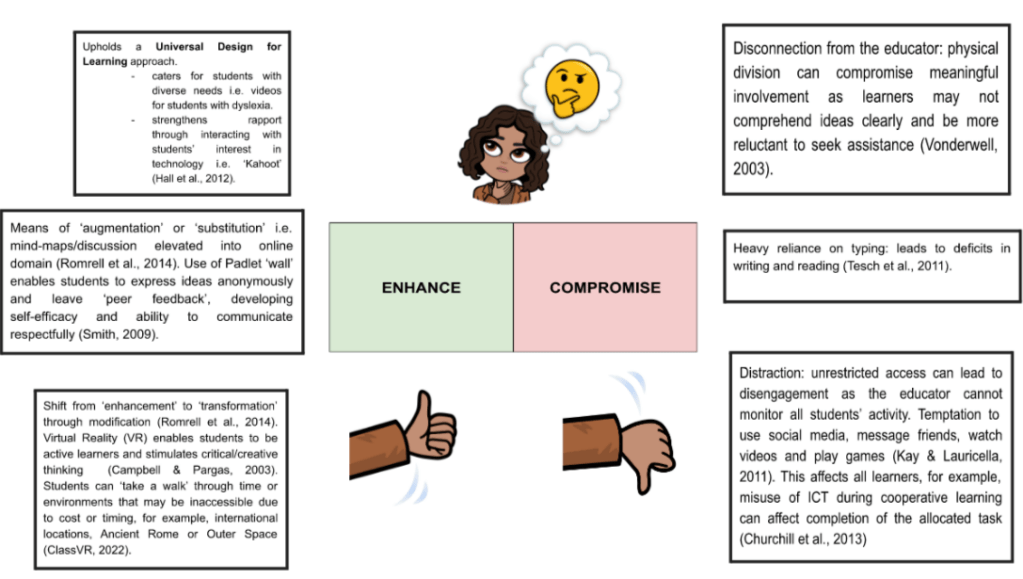
It can act as a catalyst, promoting excitement and limiting disengagement through providing variation from the traditional ‘pen and paper’ learning form. However, it can be a direct source of disengagement due to its endless nature. Educators and learners must interact with ICT purposefully and consider its effect within the teaching and learning cycle (Hofmann, 2002).
Explore Virtual Reality Resource – ClassVR
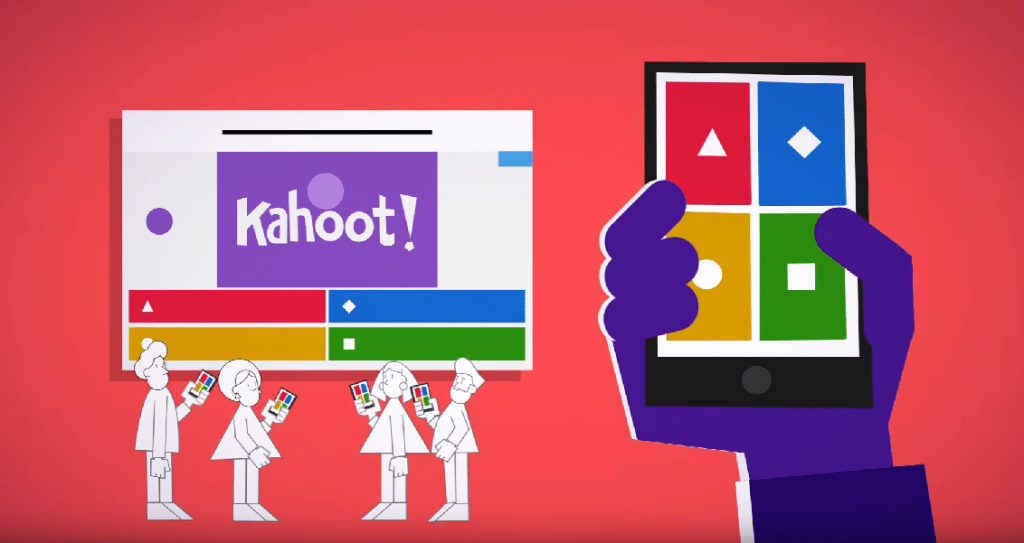

Anita Vyas. (2018). Active Learning with Kahoot!. https://venturebeat.com/wp-content/uploads/2017/07/kahoot.png?fit=1132%2C601&strip=all
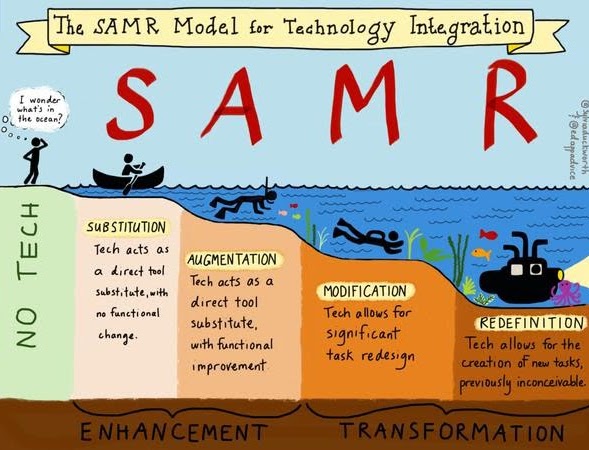
Auburn School Department. (2022). SAMR Model. https://cdn5-ss20.sharpschool.com/UserFiles/Servers/Server_219555/Image/Departments/Technology%20Team/Tech%20Tools%20for%20Teachers/SAMR%20Model/SAMR%20Model%20Technology.jpg
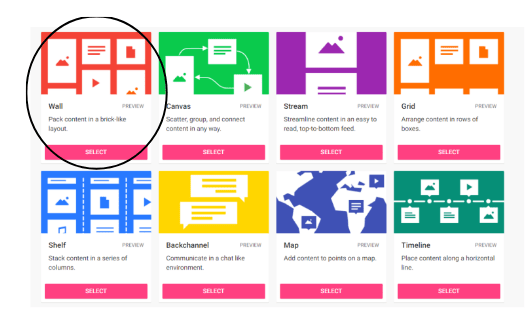
Sarah Fielding. (2020). Padlet . https://i0.wp.com/generic.wordpress.soton.ac.uk/digital-learning/wp-content/uploads/sites/321/2020/04/padlet-types.png?resize=755%2C428
REFERENCES
Campbell, A. B., & Pargas, R. P. (2003). Laptops in the classroom. ACM SIGCSE Bulletin, 35(1), 98-102. https://doi.org/10.1145/792548.611942
Churchill, S., Godinho, S., Johnson, N. F.; Keddie, A., Letts, W.; Lowe, K.; Mackay, J.; McGill, M.; Moss, J.; Nagel, M.; Shaw, K.; Vick, M. (2013). Teaching: Making a difference (3rd ed.). John Wiley & Sons.
ClassVR. (2022). VR in Education for Ages 14 to 16 years. https://www.classvr.com/au/
Framroze, M. (2017). Self-spectacle online: The construction and representation of identity in contemporary digital culture. UCLA.
Hall, T. E., Meyer, A., & Rose, D. H. (Eds.). (2012). Universal design for learning in the classroom: Practical applications. Guilford press.
Hofmann, D.W. (2002). Internet-based distance learning in higher education. Tech Directions, 62(1), 28 – 32.
Kay, R., and Lauricella, S. (2011). Unstructured vs. Structured Use of Laptops in Higher Education. Journal of Information Technology Education: Innovations in Practice, 10, 33-42.
Romrell, D., Kidder, L., & Wood, E. (2014). The SAMR model as a framework for evaluating mLearning. Online Learning Journal, 18(2). https://www.learntechlib.org/p/183753/.
Smith, M. (2003). Jean Lave, Etienne Wenger and communities of practice. http://infed.org/mobi/jean-lave-etienne-wenger-and-communities-of-practice/
Tesch, F., Coelho, D., and Drozdenko, R. (2011). The Relative Potency of Classroom Distractors on Student Concentration: We have met the enemy and he is us*. Proceedings of ASBBS, 18(1), 886-894.
Vonderwell, S., Liang, X., & Alderman, K. (2007). Asynchronous discussion and assessment in online learning. Journal of Research on Technology in Education, 39(3), 309-328.
 Holly’s Blog


