Summative Entry

The Twentieth Century gives me real insights into human and social issues that are still current in the 21st century.

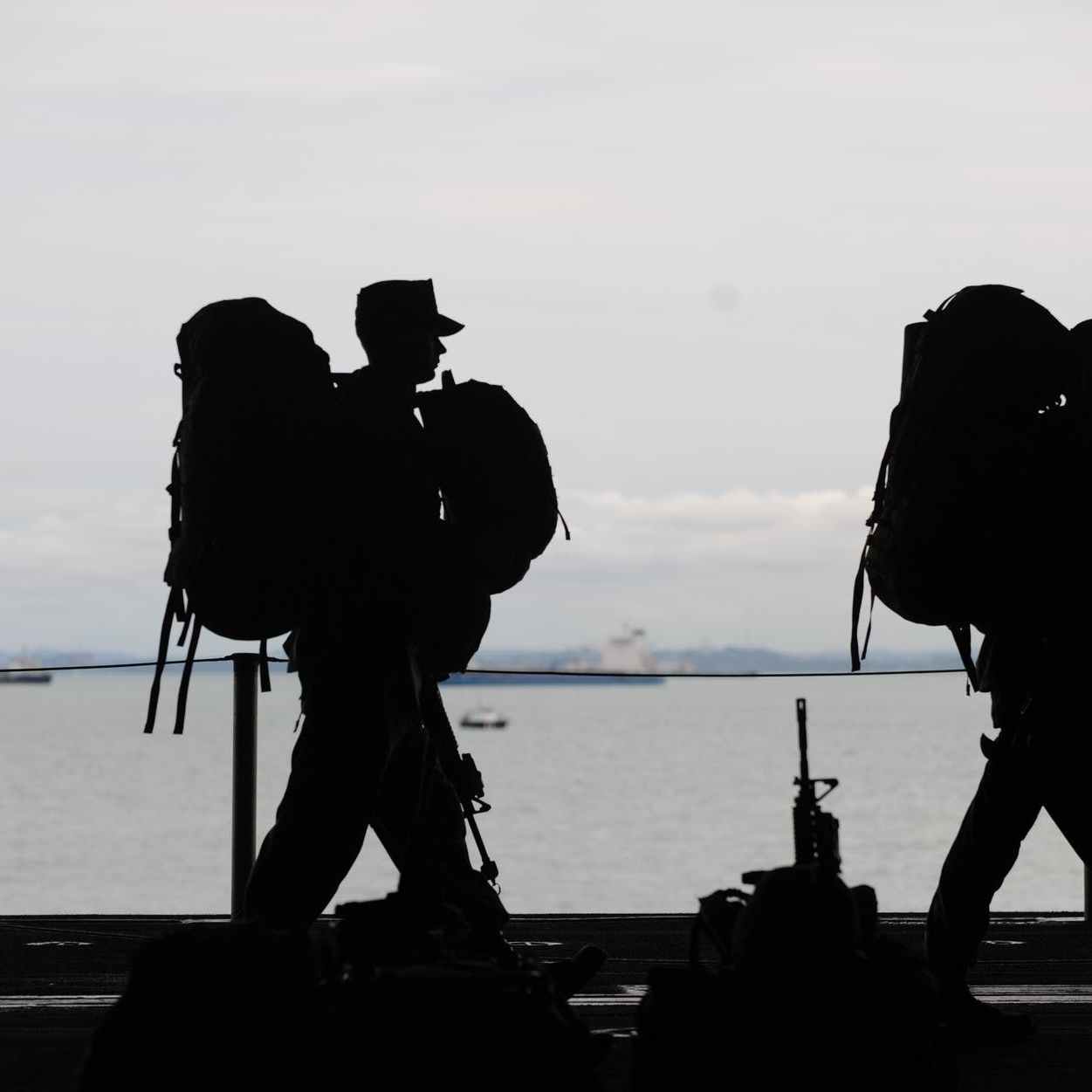
Studying 20th Century Literature allowed me to greatly appreciate how writers responded to human and social issues in their context. Through utilising writing as an expressive medium, they showcased their deepest thoughts and feelings, liberating them from their psyche. World War’s, Spanish flu, the quest for connection and more! Such events inspired many pieces of work and they kind of sound a bit familiar, don’t they? Wars between nations, COVID and the search for hope are issues that still plague the world today! Although the reason for declarations of war or a virus’ strain may differ, these issues seem to have transcended the boundaries of time.

My first blog post https://hollysliteratureblog.art.blog/2020/08/13/blog-1-2/ connected with the 20th century in the sense that I was inspired by how writers communicated their feelings of disconnection, yearning for life to come back to a rapidly changing world. Written from confinement in a world plagued by COVID, I reflected upon an unordinary experience that deeply moved me. As we are not at liberty to roam the streets in large groups or book a flight to the destination of our choice, I instantly reflected upon my travels through Egypt. Connecting with my cultural roots and spending time with my family were memories brought to my mind due to the human and social issues present in my life now. Just as authors like T.S Eliot and Wilfred Owen did in the 20th Century, my perspective and feelings were communicated in the form of literature!

Speaking of Wilfred Owen, studying 20th century literature gave me a glimpse into the reality of life after World War I. The construction of my second blog post https://hollysliteratureblog.art.blog/2020/08/18/blog-2-2/ allowed me to analyse his war poem, ‘Dulce et Decorum Est’ (1920) and appreciate how he skilfully expresses the anguish of war and patriotism for an ignoble cause. Just as many oppose societal views in the current context, so did Owen. He saw the war for what it was: destabilising, wasteful and pitiful. The issues of war, death and opposing societal constructs are still very real today in the 21st Century!

My third blog post https://hollysliteratureblog.art.blog/2020/08/26/blog-3-3/unlocked my inner creativity. Through studying the work of T.S Eliot, I was able to reflect upon his poem, ‘The Waste Land’ and be plunged into the mind of a poet grappling with the effects of the cataclysmic event, that was, World War I. Political and social change erupted and the pace of the world escalated but connections became void. I truly saw how the issues he faced in his context led to the feeling of disconnection and fragmentation. COVID has left many of us feeling disconnected, as if we are walking around in never ending circles in a desolate world.

My fourth blog post https://hollysliteratureblog.art.blog/2020/09/22/blog-4-2/ reflected upon the undoing of humanity in Yeats’, ‘The Second Coming’. Also written following World War I, it captured the chaotic madness in a changing world. Through his perspective, I was able to view how he felt as though people were partaking in their own downfall, had departed from their moral compass and plunged into a world of violence. Isn’t that what many still feel today through viewing all the evil and chaos in the world? It seems as though social and human issues still linger in the 21st Century.

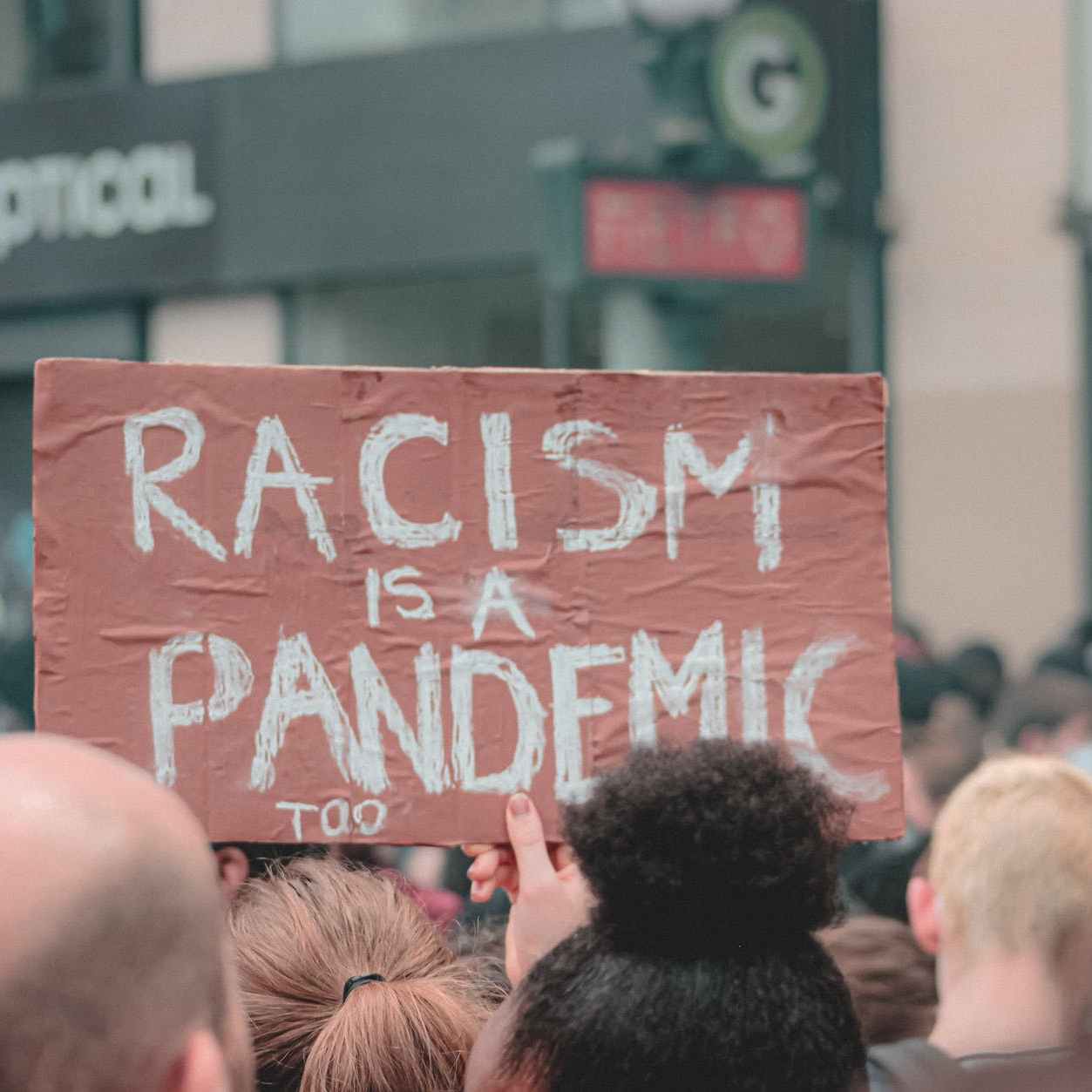
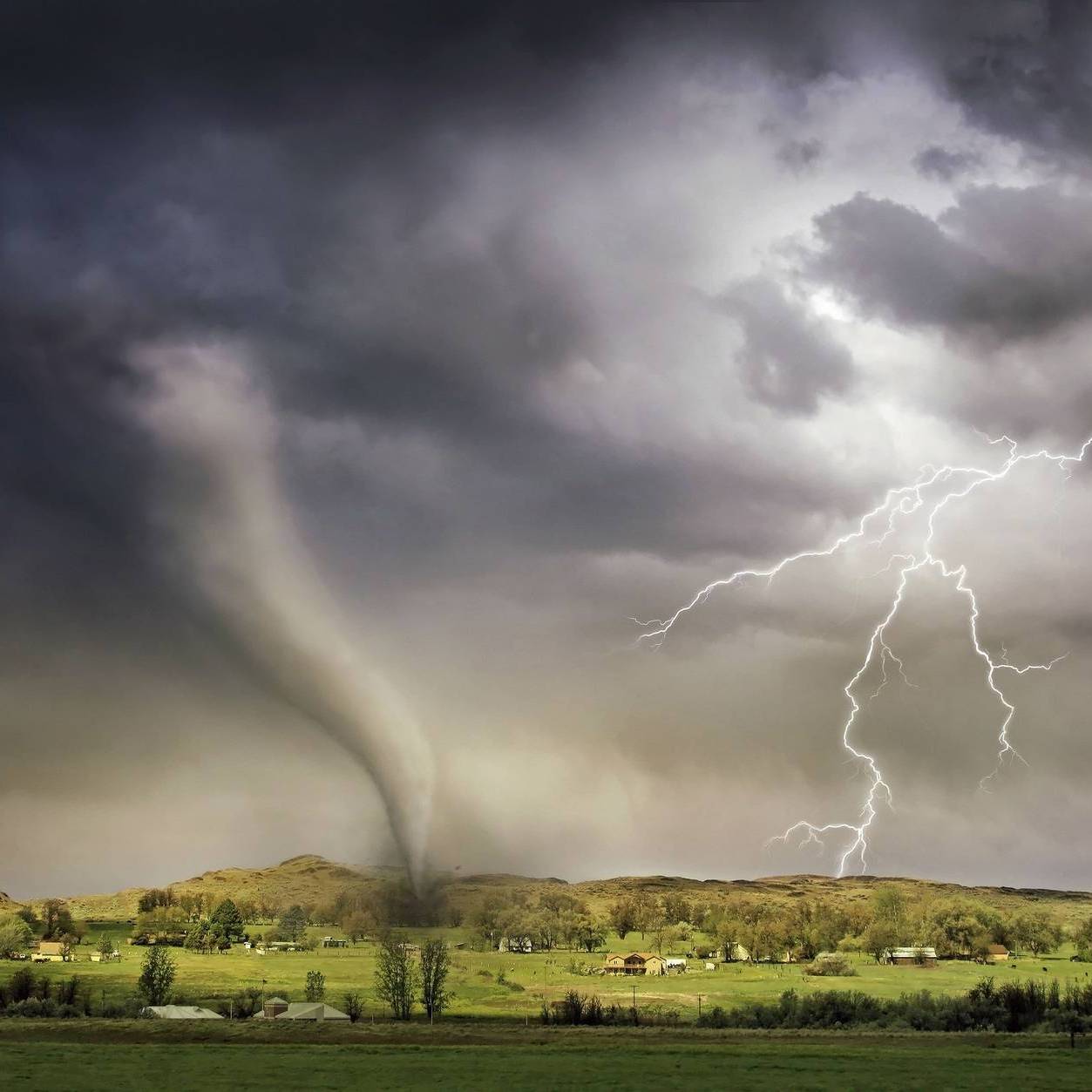
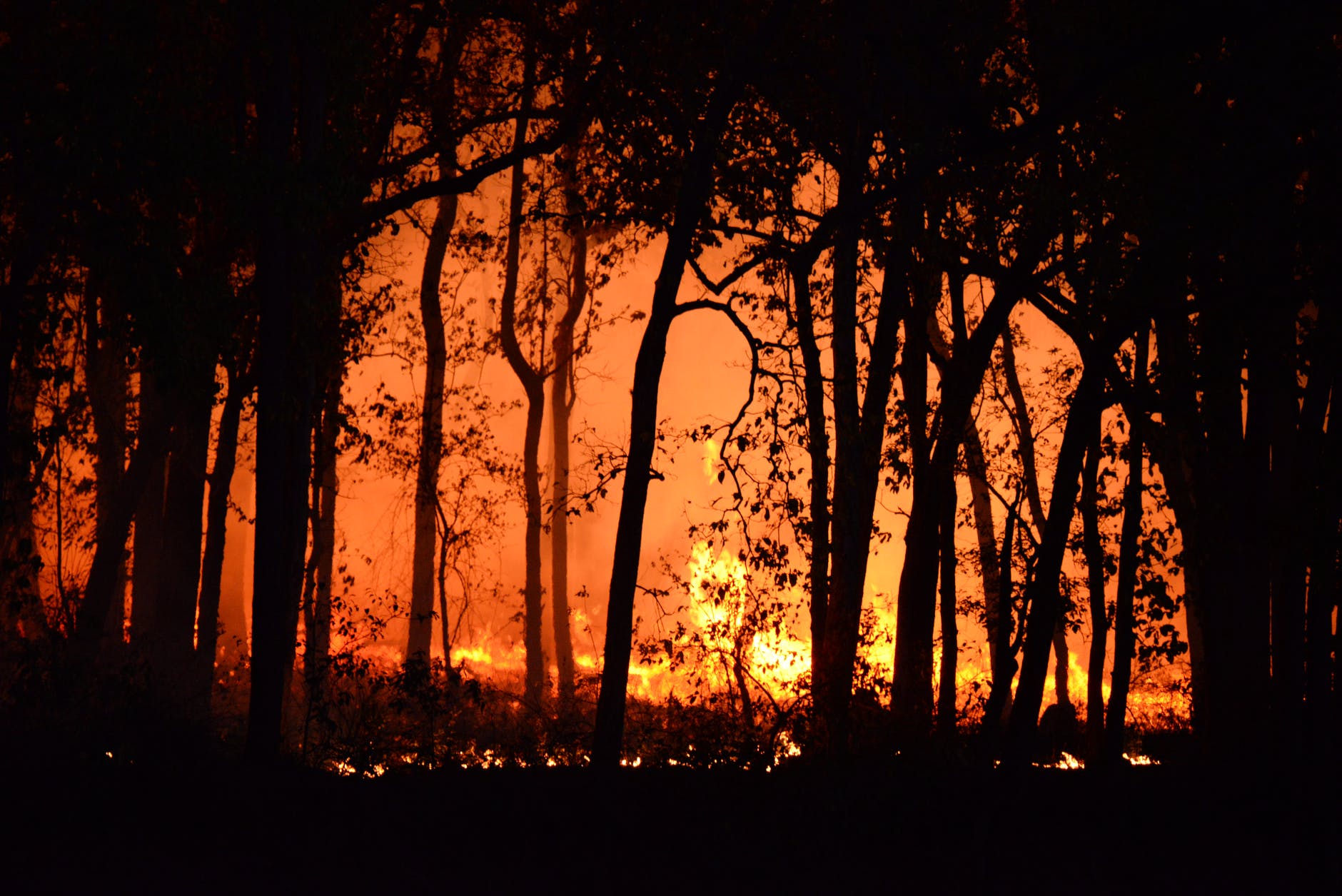
My final blog post https://hollysliteratureblog.art.blog/2020/10/13/blog-5-2/ allowed me to convey how writing acts as a medium for creative expression, a way to liberate oneself from the numerous thoughts that plague their mind. Through constructing a prose passage regarding momentous events that have occurred in the past five years, I was able to reflect on human and social issues that plague us. Fighting, racism, natural disasters, viruses’, they all shape how we feel in our context and influence our outlook on life. Aspects that were present in the 20th Century, communicated through literature, are still communicated now!

Studying Twentieth Century Literature allowed me to appreciate different literary pieces that reflect how authors have integrated their responses to issues in their context. However, I do wonder, will the same issues exist in a decade, a century or in a millennium? Guess we will have to wait and see.
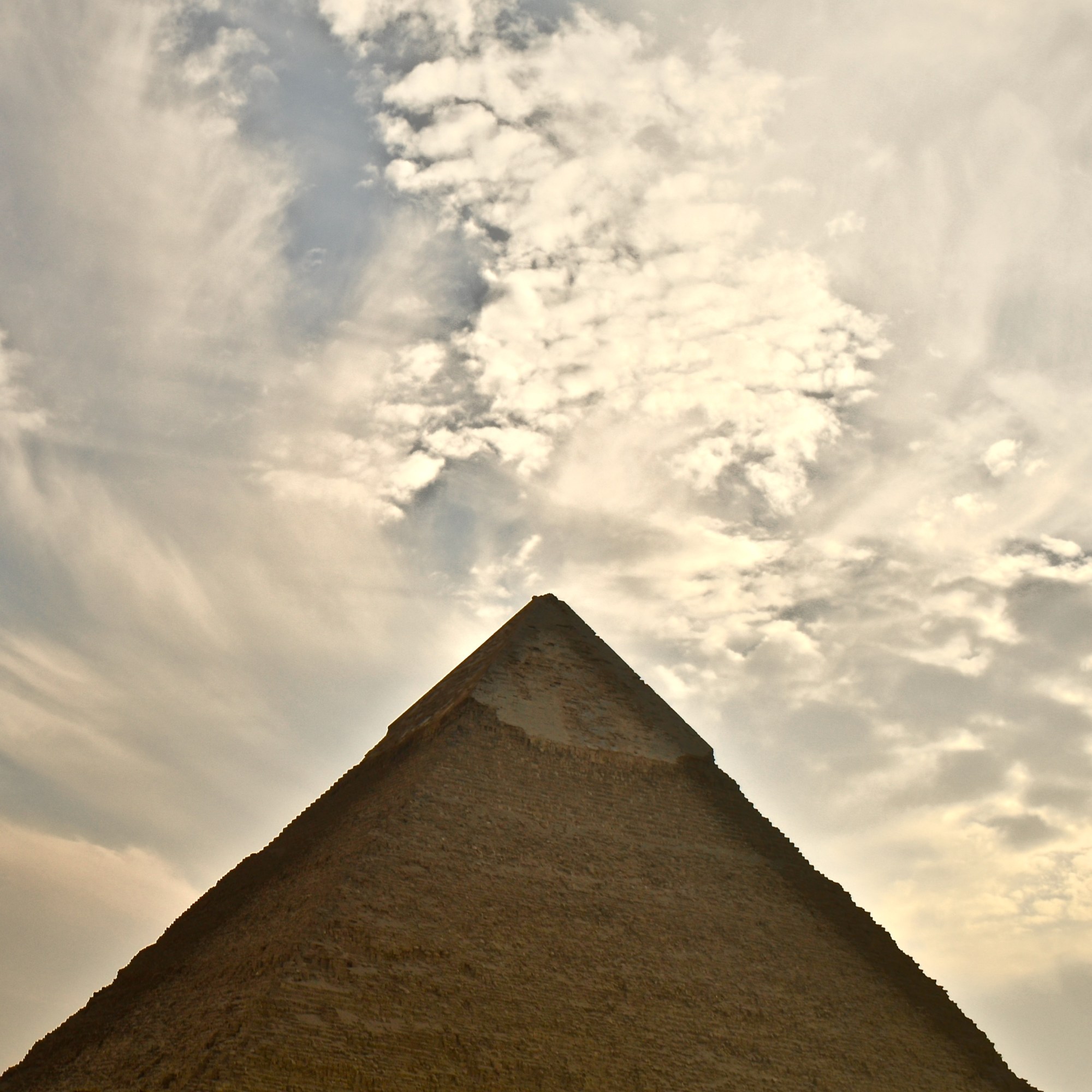
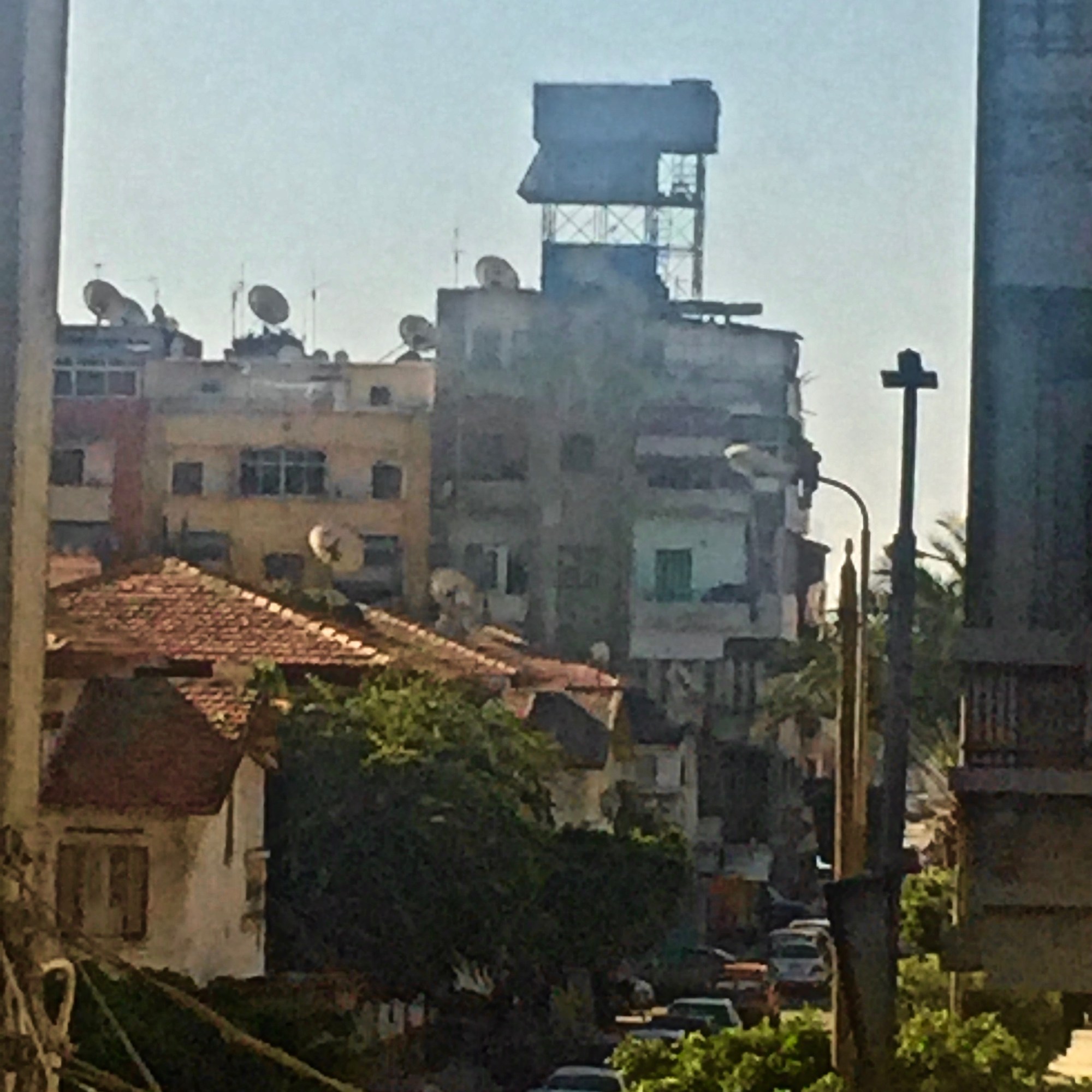
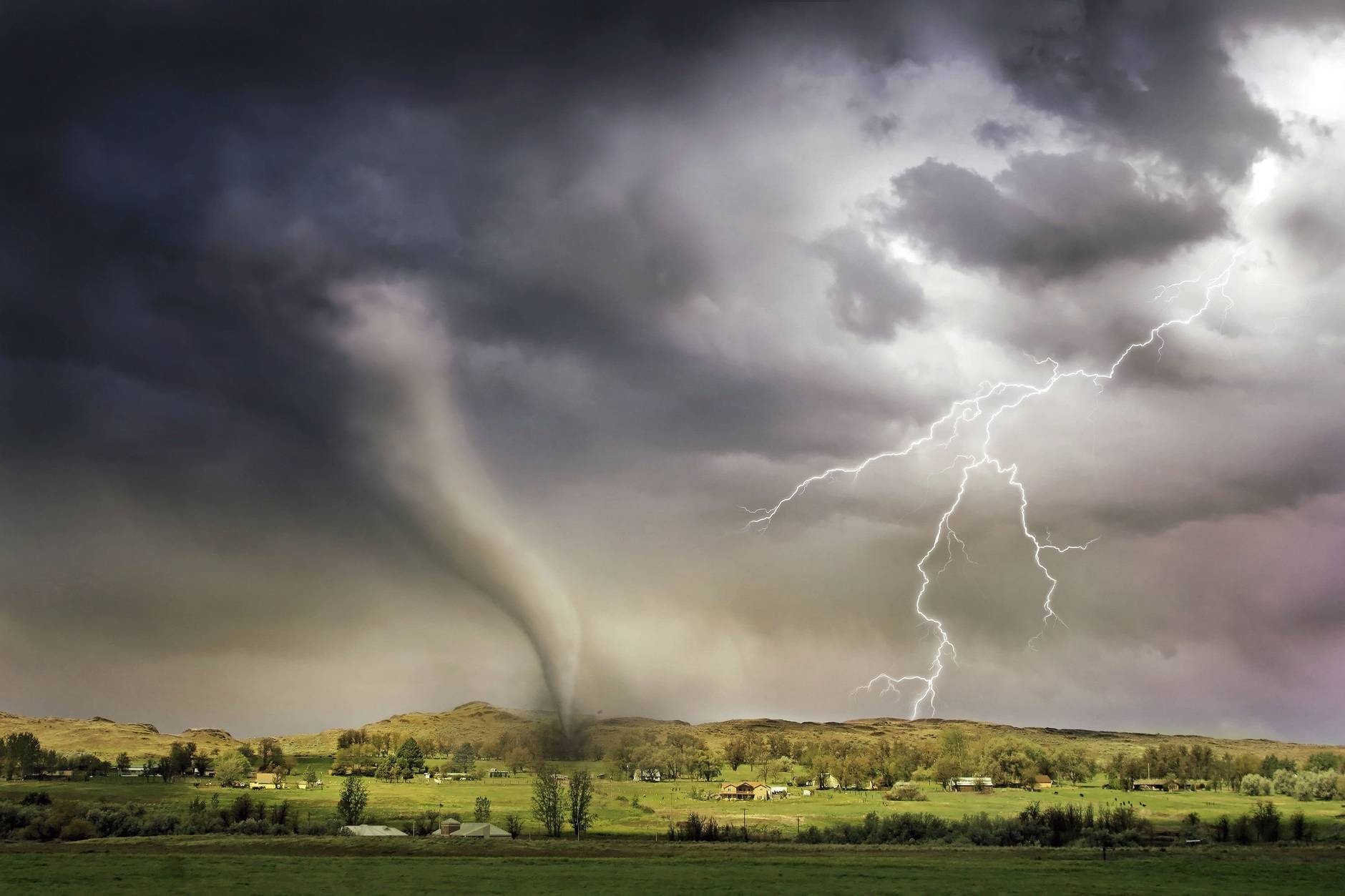
First two photos taken by me.

Other photos: Pexels free photo library

Peer Review #4

https://teannie.home.blog/2020/09/22/do-any-of-yeats-poems-connect-with-your-own-personal-experience-select-one-of-yeats-poems-or-a-section-thereof-and-discuss-how-the-poem-connects-with-your-own-understanding-of-the/

Hi Teannie, 

I really enjoyed reading your blog post! Your analysis of the poem captures powerfully the “anxieties that Yeats had for the future wellbeing of his baby daughter” and his need to protect her from the world. I liked how you conveyed the importance of inner beauty and made connections to a quote from Shakespeare’s, ‘A Midsummer Night’s Dream’ and also the play itself. This was very interesting! I also thought it was great how you wrote about the expectations of beauty in society and how it can shape an individual’s outlook on life and themselves. It was great how you showed your appreciation for Yeats’ passion for “morality and purity” but it would perhaps have been good to add a little bit more of a personal touch. Nevertheless, it was still very interesting to read.

Well Done!

Blog #5

Much of the literature of the 20th Century has been written in response to momentous events such as the first and second world wars. Draw up a short list of some of the momentous events that have been hitting our planet in the last 5 years and suggest a few ways in which writers might try to make sense of any one of these events. Your response to this suggestion, might itself be a piece of creative prose or poetry.

WORDS UNSPOKEN 

It seems as though an inexpressive psyche prevents communication but what if ones’ psyche is not the issue. What if it were the form that communication takes? It is not only by voice but by literature also! It seems as though the words unspoken, both the heavy and the hopeful, can be expressed through the simple act of ink to paper or fingers on keyboard. There may be no such thing as an inexpressive psyche, one must simply find the expressive medium through which they are comfortable to liberate the thoughts that plague their mind. At last, freedom! Liberated through the power of writing. But what are these thoughts that plague the mind? 

“You there”, I said, “Tell me what plagues your mind, cripples your being during your daily endeavours”.

“Perhaps it would be better if I wrote it down”, replied the first stranger. 

The world. It seems that it has conspired against us! The shaking of the ground, the submersion of natural and man made creations, the burning of our dearest, most prized possessions that also become jilted in whirlwinds of mass destruction. Around and around they go, ripping in and out of the core of a cyclone. Across the globe it seems as though humanity is crippled again and again by the sheer magnitude of destruction. Oh the pain that is inflicted upon us! How ever will we recover from the earthquakes, floods, wildfires or tsunamis that wipe out entire societies! It plagues me that there is nothing I am able to do to prevent it. Tick, tock the clock goes and then it becomes a question of when the next disaster strikes rather than if it will. 

“I see. I hear. I understand. Written but expressed, is it liberating?”, I asked. 

“It helps me make sense of the world around me. A liberation from the heaviness of spoken words. Words I never seem to be able to articulate”, replied the first stranger. 

“You there”, I said, “Tell me what plagues your mind, cripples your being during your daily endeavours”. 

“I find solace in the art of writing, perhaps I could write it down”, replied the second stranger. 

Death. Even the word itself is grim, void of any connotations of happiness but I guess that is expected, after all, death is death. But I talk about it not in the way that I fear my own demise but rather by how death is handed to innocent individuals who try to simply exist. A death sentence for existing in an unfair world. The clock chimes at 6:00 pm and I watch the horrors of the day unfold in an endless loop day by day. Guns pointed, finger on trigger and well, you know what happens next. It is a shame that you know. They really do not understand the extent of their actions, the pain they inflict on loved ones, strangers, people simply trying to exist. The horror! My oh my, the jagged edges of their actions pierce! My mind, my heart is bleeding with the sorrow inflicted by the cruelty of evil! It plagues me that for some, liberation and communication lies in the contents of a bullet, lodged in the barrel of a gun. It plagues me that other forms of violence are condoned, where racial discrimination is a ‘normal’ injustice, never being able to simply be eradicated.

“I see. I hear. I understand. Written but expressed, is it liberating?”, I asked. 

“It helps me make sense of the world around me. A liberation from the heaviness of spoken words. Words I never seem to be able to articulate”, replied the second stranger. 

“You there”, I said, “Tell me what plagues your mind, cripples your being during your daily endeavours”. 

“I too find solace in the power of written expression”, replied the last stranger. 

*Cough* *Cough* *Cough*

Now, cue the stares and the division of people from my sight. A simple cough has become the mark of avoidance. I understand the stares but I pity the cause. If only the simpler times could return. When terminals were filled with eager individuals awaiting their next adventure or embracing loved ones was simply accepted. Restrictions restrict life from happening but the clock still ticks. Wait! No! Pause! Life does not pause for any one, this, all of this is part of it. I despise it but I understand it. That is the pain of accepting that which plagues your mind but it being the thing that you cannot control. 

Each stranger has thoughts that plague their mind. Many events and occurrences have struck our planet and I expect that more will happen in the future. Not a pessimistic approach to life but rather one that understands that as long as time continues, life will continue to present challenges. Writers now, writers back in the 20th Century have something in common. They write to express the inexpressible, to liberate their psyche from the heaviness of spoken words. The heaviness but inevitability of living. 

Photos retrieved from: Pexels free photos

Peer Review #3

https://dylanversola.home.blog/2020/08/25/blog-3-2/

Hi Dylan, 

Your blog post was very interesting to read! I really liked how you implemented a lot of imagery, for example, through “Bleached of any real hope” and how spending time on social media causes you to “reflect neurotically” upon your own life in comparison to others. It was a very powerful visual. I also agree that change is hard, especially when we are not in control and do not know what may arise as a result of it. Your ending “It is a barren feeling” was simple yet very effective. It truly captured how although in a time when technology is on the rise and we are all connected, we are never truly connected with each other. Your words were carefully chosen, however, there were a couple of lengthy sentences that made it slightly confusing at times to read. Nevertheless, it was still a very intriguing post.

Well Done!

Blog #4

How does William Butler Yeats highlight confusion and chaos in a changing world through his poem ‘The Second Coming’ ? 

Yeats’, ‘The Second Coming’ (1920), is a very powerful yet obscure poem about a rapidly changing world, altered by violence, chaos, confusion and seems to be spiralling out of control. As it was written following World War I, a historic event that affected the lives of many, the poem reveals a picture of a desolate world in which progression and order may merely be an illusion. 

Instantly in the first line, Yeats mentions a “widening gyre” (Yeats, line 1), alluding to his view that the world was created by a series of circles, spinning into each other to catalyse existence. This evokes a sense of mystery through its ominous nature and how the world is continuously “turning and turning” (Yeats, line 1) in this gyre. Through, “The falcon cannot hear the falconer” (Yeats, line 2), he highlights a sense of disconnection, utilising the metaphor to capture how humans have separated from their moral compass, ethics or God. Now, the world is spiralling into chaos, an uncontrollable chaos. However, it is still quite ambiguous and there are many interpretations. One may say that there is a loss of order or perhaps the falcon may have broken free from the past and is discovering new possibilities in the world. The brokenness of the world is further exemplified through “the centre cannot hold” (Yeats, line 3), highlighting how the core of the world is falling apart. Yeats repeatedly uses the word “loosed” to describe the numerous changes occurring and how they have undone society. Anarchy, fury and chaos has been unleashed into the world and a collapse is inevitable but what will this collapse lead to? A new coming? Something dangerous or liberating? That is simply unknown. 

The poem then delves into mythological imagery. Yeats mentions “Spiritus Mundi” (Yeats, line 12), a latin term meaning “World Spirit”. He alludes to this to underscore how the universe contains memories of all time. A ‘collective unconscious’ is common to all humans, responsible for their beliefs and the images that exist in the world. I know, this all sounds very confusing but the confusion does not end there! It is heightened through Yeats utilising dark imagery as he refers to a mythical creature with “a.. lion body and the head of a man” (Yeats, line 14). This picture of the “rough beast” (Yeats, line 21) resembles the Sphinx, brought to his mind by Spiritus Mundi and causes the poem to end as ominous and obscure as it began. Why does it slouch towards Bethlehem? Will it result in the birth of pure chaos? Although the war had ended, the war of mankind against self-destruction was and still is far from over. If anything, it was only highlighted through the conflict of war! Although the world is spinning and changing, the fate of it is simply undecided. However, from Yeats’ vision, embedded within the poem, there appears to be a sense of hopelessness for the preservation of mankind.

Poem: https://www.poetryfoundation.org/poems/43290/the-second-coming

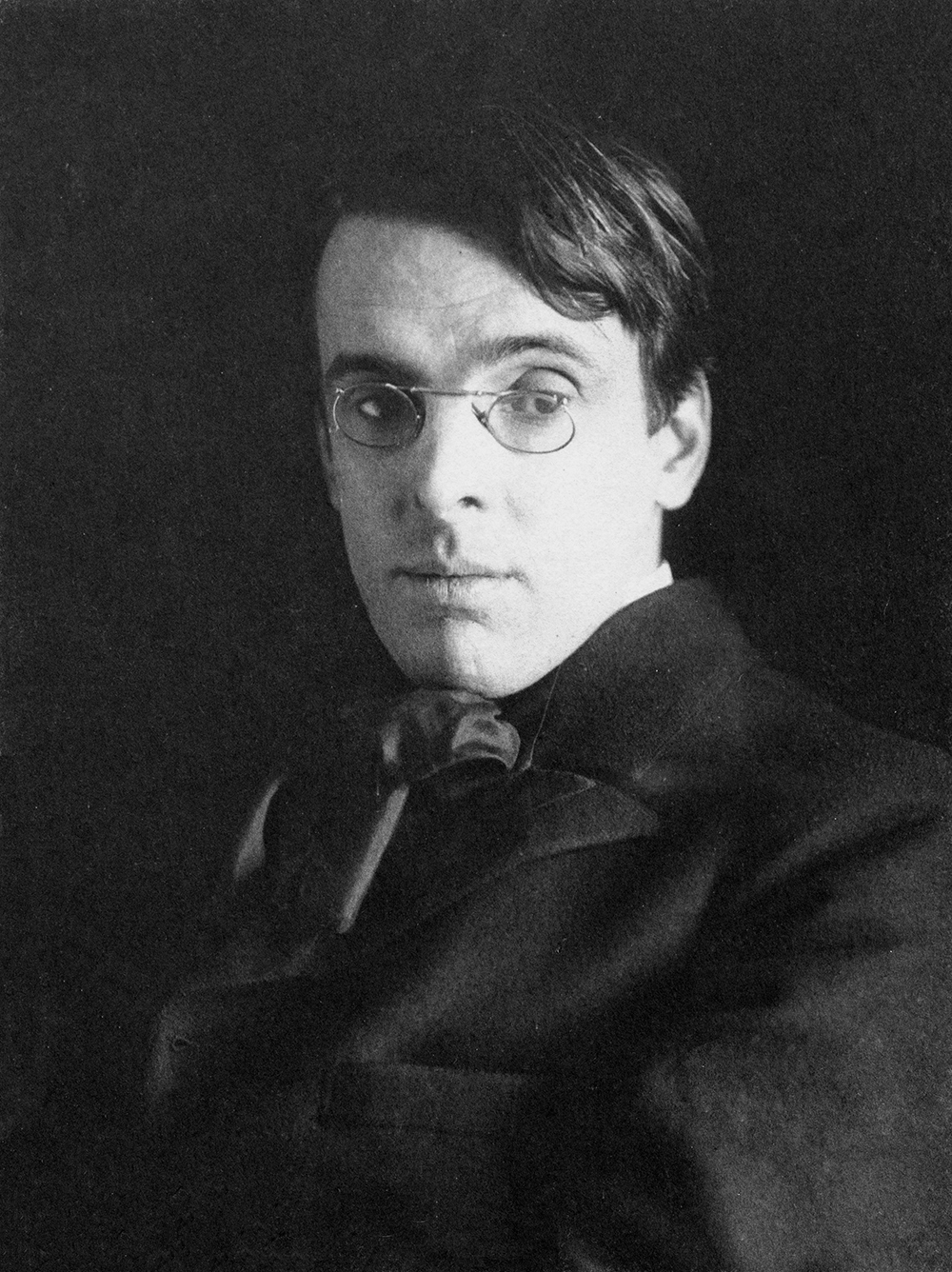
Yeats photographed in 1903 by Alice Boughton. Image retrieved from: https://en.wikipedia.org/wiki/W._B._Yeats#/media/File:Yeats_Boughton.jpg

Peer Review #2

https://literaturetalk.home.blog/2020/08/19/dear-mr-realist/

Hi Evelyn, 

I thoroughly enjoyed reading your blog post. It truly addressed how Wilfred Owen’s vision and work has left an immense impact and is still needed in the current context. Your writing appears clear and precise, filled with emotion. I loved how you referenced his poem, ‘Dulce et Decorum Est’, and how in the world right now, we do not need more ‘old lies’. This year has been challenging and you captured this greatly in your letter to Owen as I could hear the plea within your writing for realism to come back to us. 

The letter could perhaps have been divided into smaller paragraphs rather than one whole paragraph but despite this, it was still a very powerful piece. Well Done!

Blog #3

Near the end of Eliot’s “The Waste Land” he writes “These fragments I have shored against my ruin”. In the spirit of Eliot’s version of the world, write a poem or a short prose passage that uses this line as its opening. 

INVENTING REALITY

These fragments I have shored against my ruin conspire against me. The beams placed here long ago to uphold my existence have eroded, ensuring the demise of my sanity. As I sit here, sulking in the pitifulness of my afflictions, I reflect upon the world in its current state: isolated, infected and irreparable. 

“It can be repaired”, said Hope.

“Go away. I’m trying to live in reality”, I said as I beckoned her to leave.

“I can help you invent reality”, she replied. 

I gestured for her to leave me alone. Finally, I can see the world in its true form. 

The clouds taunt me. Look! Can you see how free they are? But wait, they move along with every movement I make, they’re beckoning me to follow, to reach out and hold onto them. Oh to be upheld by the clouds, flying above them as I venture to unforeseen declarations of living. It truly is blissful up here. 

“That sounds nice”, Hope said.

“Wait. No, no, no. This isn’t real”, I exclaimed as I once more gestured for her to leave me alone. 

‘Real’ will never re engage with ‘reality’. To crave true connections with anyone is an act of naivety for the cyclical nature of isolation prevents human contact from contacting anyone! With my mind acting as the warden, guarding the entrance to the reality within, a prison of despondency exists beneath the skin of the human I am. Shed! Cast out the gloominess of the present and instead capture the radiance of the clouds. Fill it with the notion of promise. 

Joyful laughter erupted from Hope. 

“Wait. No, no, no. This isn’t real!”, I exclaimed again, “Go away Hope, you’re distracting me”. 

Memories used to be my safe haven but even they have conspired against me. Involved in an act of treachery, I watch as they mockingly throw ravaging traps of fire at my current burdens. It was as if they were saying, “Look, don’t you remember when….how happy you were….you can’t do this now. You can’t escape reality”. 

Quiet! I must silence my own inner monologue. Before I know it, I am drowning in the murkiness of my delusions, the brief delusion of believing that life may come back to the barren land I barricade myself within. Delusions fade and I can see myself once more in my true form, that is, anguish trapped in a youthful frame. All I can do is view the desolation of the world with my mask firmly placed on. Which mask? I will leave that up to your imagination. 

Hope was never a person but rather a fragment that I had shored against my ruin. Although it eroded over time, it tried to repair itself and assert its presence. Do I accept or reject it?  Do I dare invent reality? 

Peer Review #1

https://isabelladigi.home.blog/2020/08/14/week-3-blog-1-describe-an-experience-in-your-own-life-where-you-seem-to-have-touched-something-much-deeper-than-your-ordinary-everyday-experience/

Hi Isabella, 

I thoroughly enjoyed reading your blog. Your writing captured my attention instantly and it was truly descriptive, allowing me to connect with your own personal experience. I especially liked how you wrote about connecting with your family in a town “full of rich history”, hearing stories from your grandparents about how they lived and how this whole experience shaped the way you viewed life.

I would’ve loved to hear about other aspects of your trip that you may have connected with as well but nevertheless, it was an amazing blog. I loved the ending. It truly made me stop and think about how being alive and existing are two separate ideas and how we should all strive to be and feel alive. The pictures you included also accompanied your words very well.

Well done!

Blog #2

How does Wilfred Owen expose the brutality of war through his language in ‘Dulce et decorum Est’? 

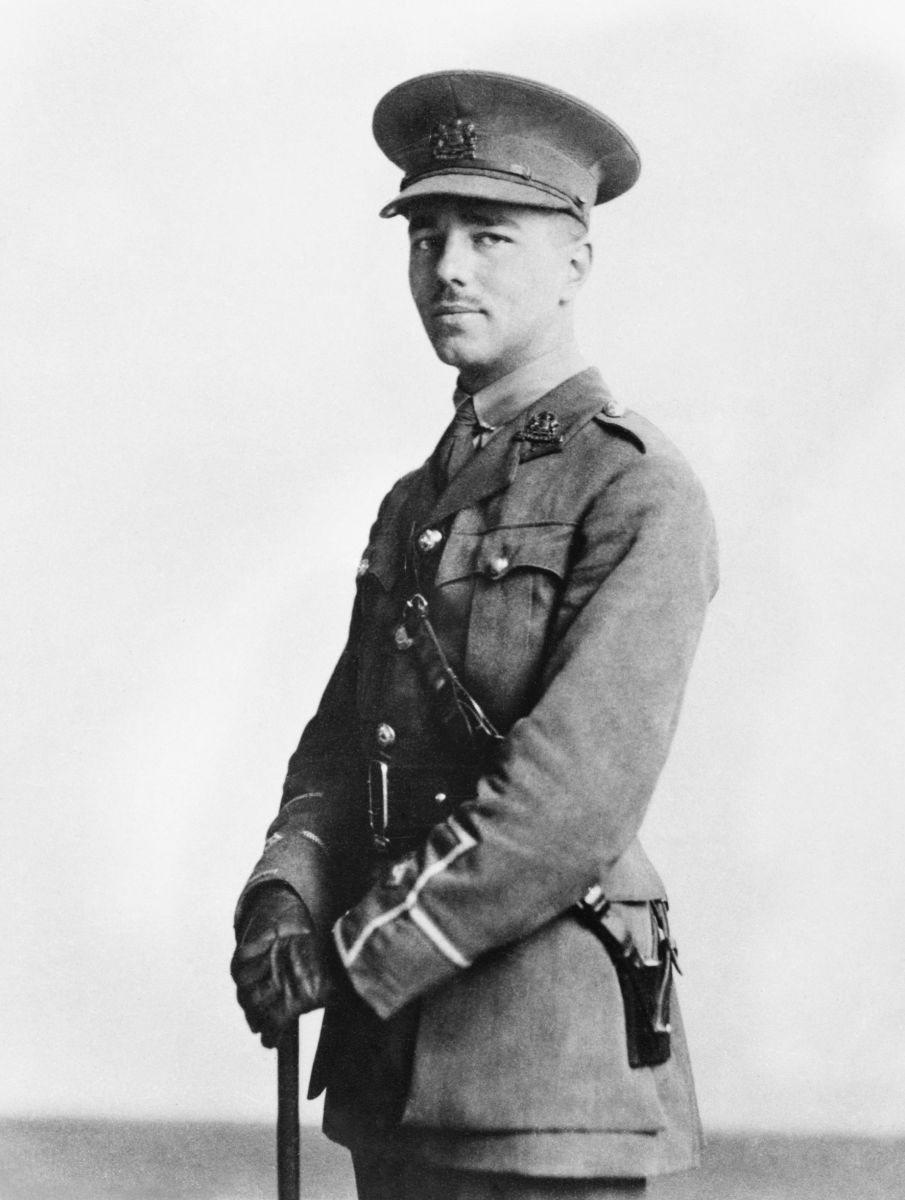
Brutal. Agonising. Heart wrenching. These are just a few words that came to my mind when I first read Wilfred Owen’s poem ‘Dulce et Decorum Est’ and continuously float around in my thoughts when I look upon the poem again and again. As Owen was both an English poet and soldier and lived between the years 1839 and 1918, I could truly feel his experience of being present during the war. According to Owen,

“My subject is war, and the pity of war. The poetry is in the pity”.

– Wilfred Owen

This quote perfectly describes the theme of Owen’s work, particularly the poem, ‘Dulce et Decorum Est’, as it conveys the brutal nature of a gas attack during the war. Owen instantly reaches for readers attention through the title, alluding to the Latin phrase from the Roman Poet Horace, meaning, “It is sweet and fitting to die for one’s country” (Horace, line 13).

Now, I know what you may be thinking. He says it is sweet and fitting. What does this have to do with it being brutal, agonising or heart wrenching? Well, Owen embedded a paradox in the title and for this reason, it bears great power. He mocks this phrase, showing readers through his emotive and harsh language in the poem, the many reasons why it is neither ‘sweet’ nor ‘fitting’ for one to endure such an agonising demise.

Owen portrays the soldiers as “bent double, like old beggars under sacks, Knock-kneed, coughing like hags” (Owen lines 1-2). The use of alliteration and the simile places an emphasis on the harshness of war and its effect on the soldiers, rather than the glorified image broadcasted by Horace. So blinded by patriotism, the soldiers subjected themselves to the agonising conditions of war without truly understanding the repercussions, both physical and psychological. 

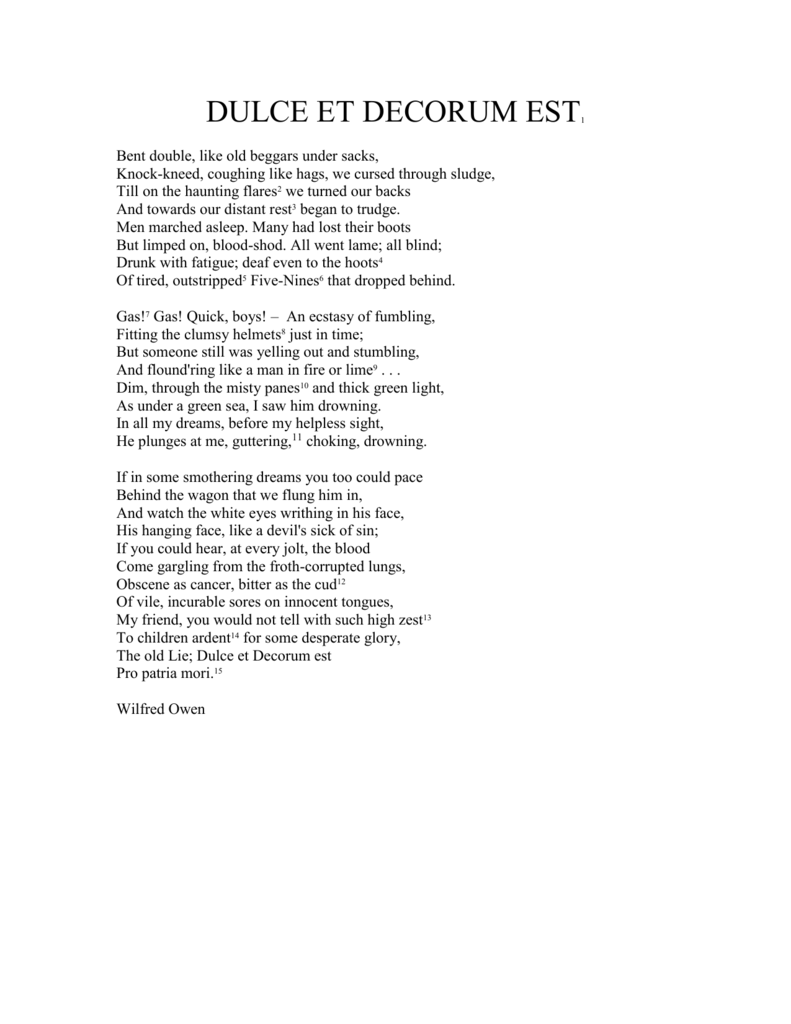
The soldiers, “cursed through sludge, Till on the haunting flares we turned our backs, And towards our distant rest began to trudge ” (Owen lines 2-4 ). Through the implementation of the Iambic pentameter, the ‘journey’ of the soldiers through their harsh environment is communicated. This highlights how war has become embedded into their routine. They ‘curse through sludge’ as rather than being driven by patriotism, they are driven by their necessity to survive. Eerie. The tone is truly eerie. These soldiers are distancing themselves from the threat in front of them, however, the threat is never truly gone. They seek refuge, however, the refuge to which they are travelling to is beyond their reach, countering any hope that may have existed.

The soldiers, “marched asleep…all went lame; all blind; Drunk with fatigue; deaf even to …..gas-shells dropping softly behind them” (Owen lines 5-8). The use of alliteration and past tense highlights the torment endured by the soldiers. Personification allows readers to view how the soldiers have become intoxicated with fatigue, dead inside. War has warped their perception of reality, damaged the essence of the human being as now they are numb to the sound of explosives. Are they even still human anymore? 

Although Owen shifts from the physical battlefield, he conveys how the trauma is a burden, manifesting itself in the battlefield within his mind. The nightmares ensure that the horror is inescapable and is revealed through his use of onomatopoeia in, “He plunges at me, guttering, choking, drowning” (Owen lines 15-18). This is a truly frightening visual, vivid and eerie. Owen challenged Horace’s ode, showing readers the opposite of the glorified image of war, its brutal nature.

The soldiers, once patriotic, became injured, haunted and entangled in the horror of war. The soldiers, once human, became something else. 

POEM: https://www.poetryfoundation.org/poems/46560/dulce-et-decorum-est

PICTURE 2: https://studylib.net/doc/7844953/dulce-et-decorum-est1-mrsbowieintermediatetwoenglish

PICTURE 3: https://www.theatrecloud.com/news/who-was-wilfred-owen

Blog #1

Describe an experience in your own life where you seem to have touched something much deeper than your ordinary everyday experience.

Travel. There’s something magical, whether spontaneous or planned, about venturing out into the world and immersing yourself in the culture, history and surroundings of foreign lands.

As we are now facing a global pandemic, the option to travel has not been a reality. Until it is within our reach once more, we must hold onto the memories of previous adventures, unordinary experiences, and let that carry us through lockdowns and isolation. How?

“Travel is more than the seeing of sights; it is a change that goes on, deep and permanent, in the ideas of living”.

– Miriam Beard

For me, Egypt was one of these travel experiences that left a deep, permanent mark that ordinary, everyday experiences simply have not.

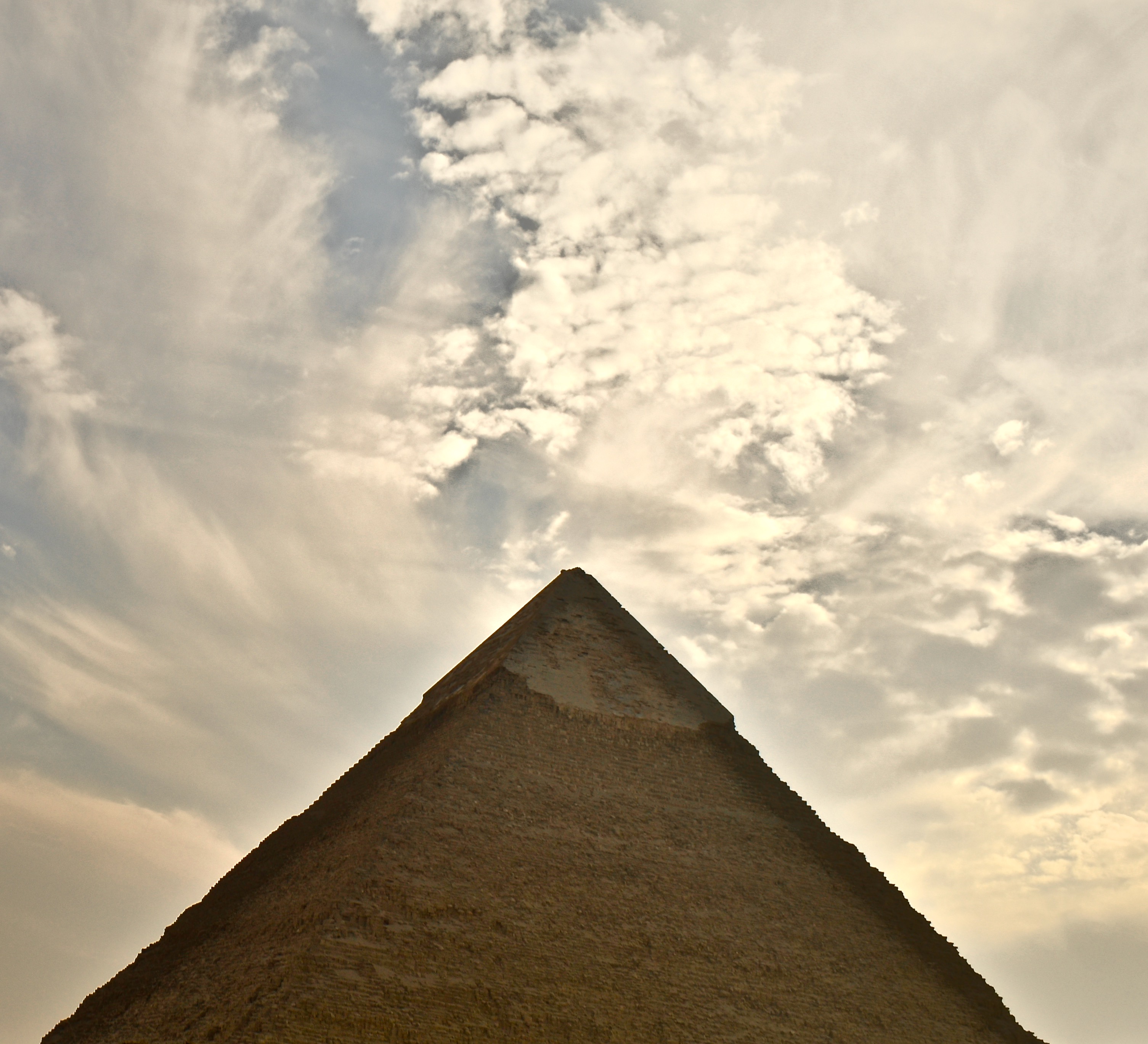
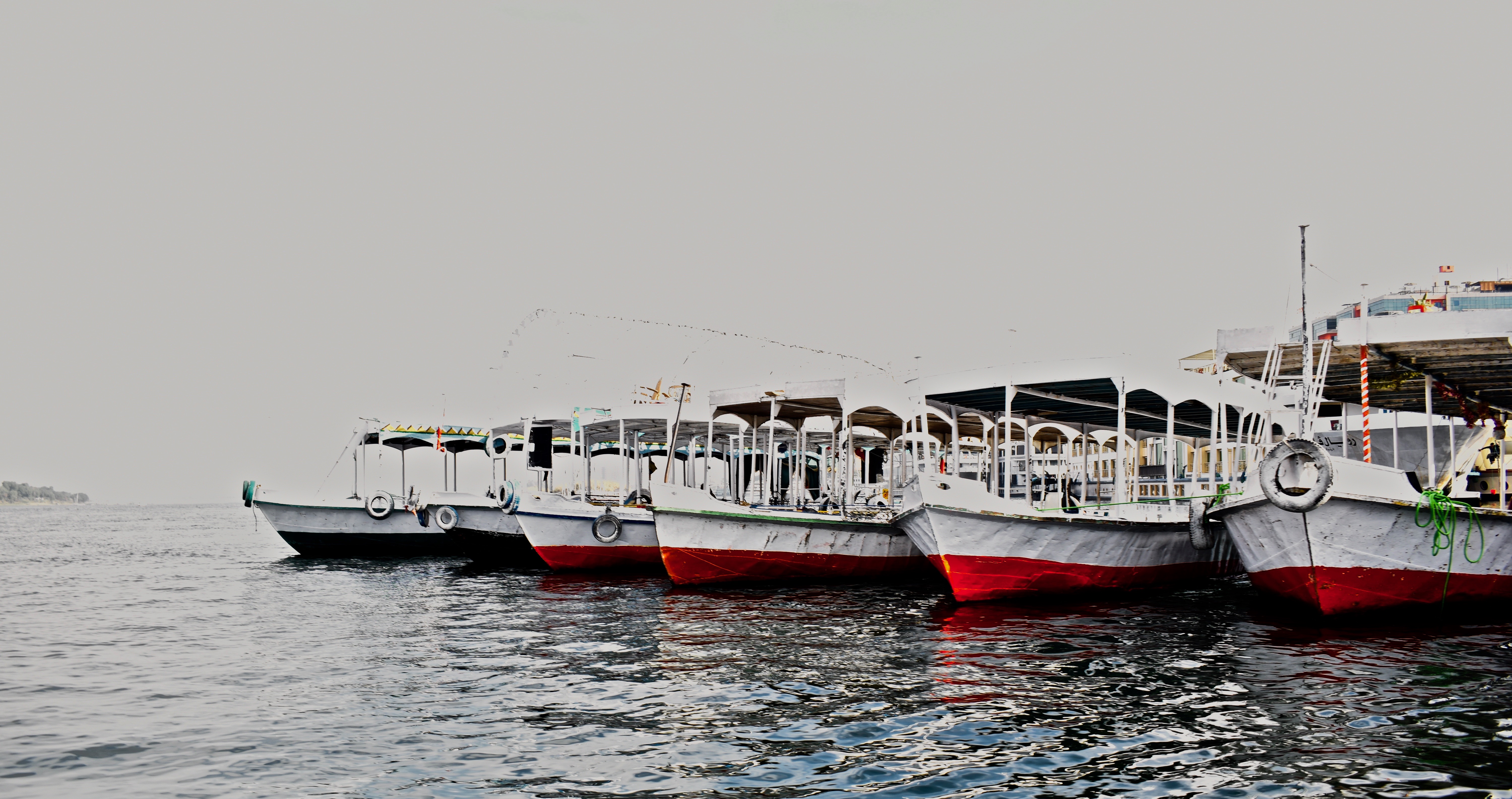
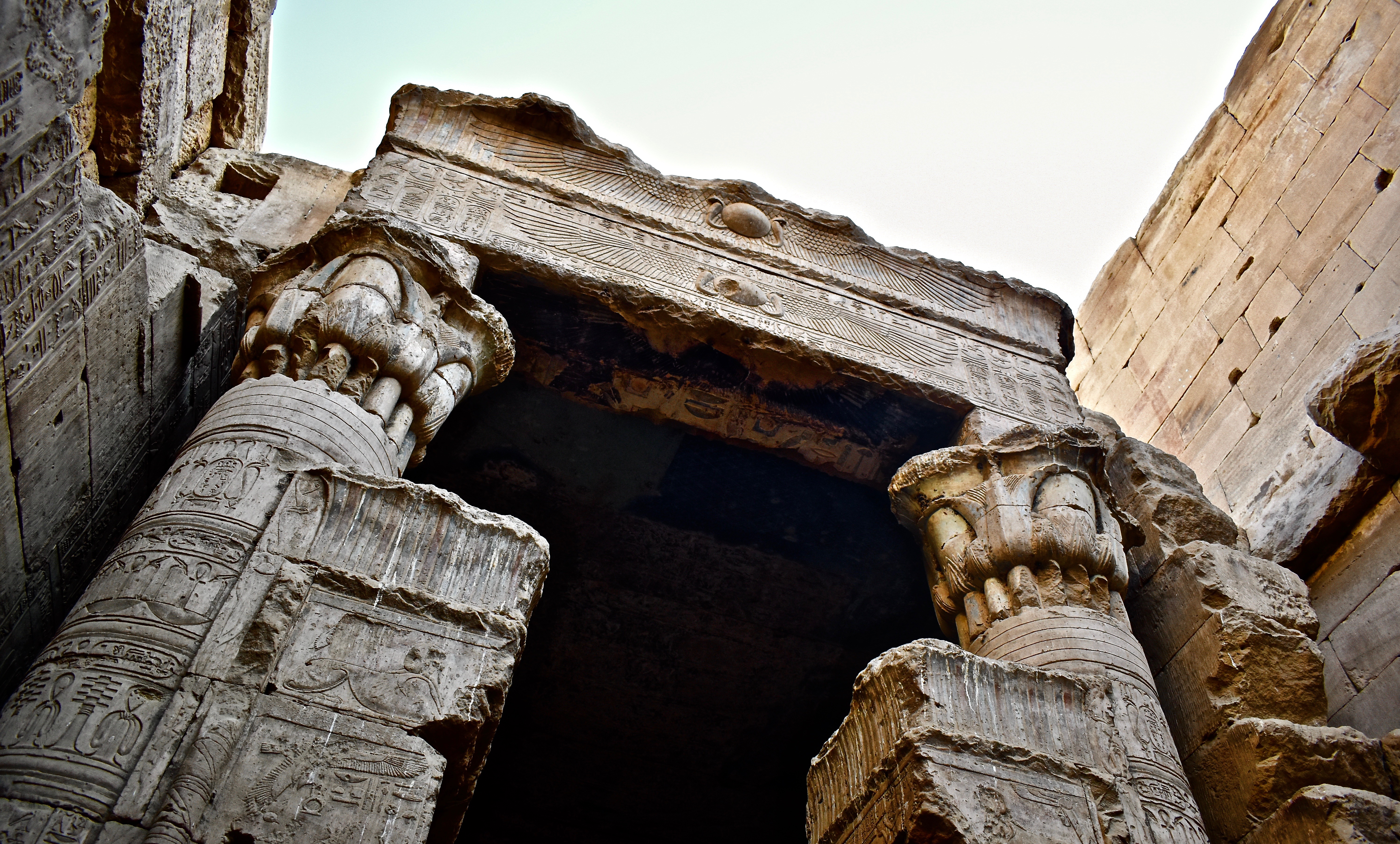
I was extremely excited to see the sights: pyramids, sphinx, museums, tombs and ancient temple ruins. These are mesmerising parts of history that captured my mind long ago. Whether it was landing my two feet on the grounds of an ancient temple ruin inhabited thousands and thousands of years ago or cruising along the Nile River, fascination was never lost. Fascination and curiosity were only unlocked through immersing myself in new experiences, new surroundings that have not been embedded in the cyclical routine of university and work.

However, as Miriam Beard stated, it is more than the seeing of sights. Yes, the sites were incredible, but visiting my family and spending time in the city where my parents grew up also touched something much deeper in me. It allowed me to view the world and society through their eyes. I truly felt the closeness of family, the connectedness of being surrounded with my grandparents, uncles, aunties and cousins. In Australia, I couldn’t roam the streets with my family at 1 am in a city that never sleeps, walk to the local church my mother went to growing up, go on spontaneous road trips to Cairo with my cousins or watch as my grandmother lowered the basket from her balcony in Port Said to retrieve groceries from below. Moments like these have ingrained themselves in my memory so that when I am at home, yearning to return, I can recall these blissful moments and be comforted with the fascination of the world and the beauty of the closeness of family.

According to Miriam Beard, there is a correlation between travel and the idea of living. The changes are not superficial or exist for a moment and vanish the next, they are deep and permanent, even taking the form of memories. Who would we be without memories? If travel and living are interconnected, then I ask you, without it, are you even truly alive?

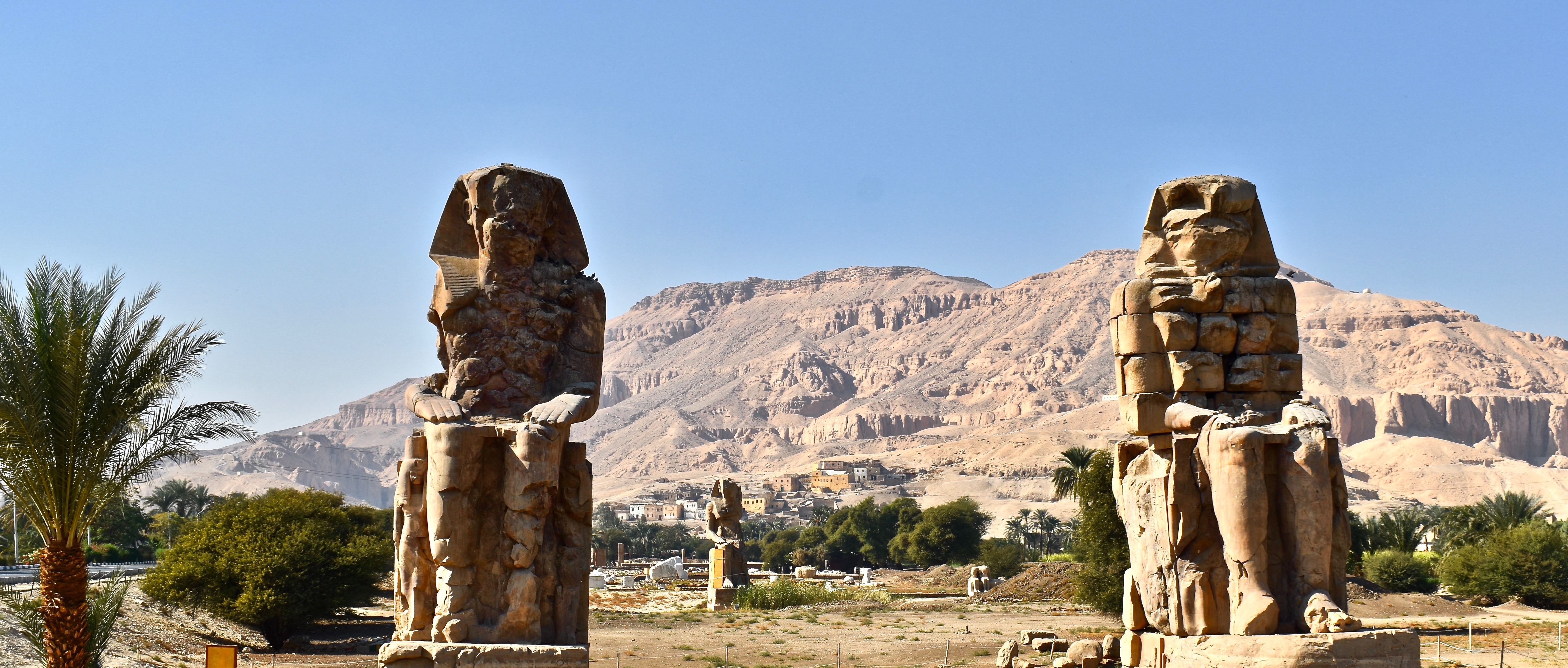
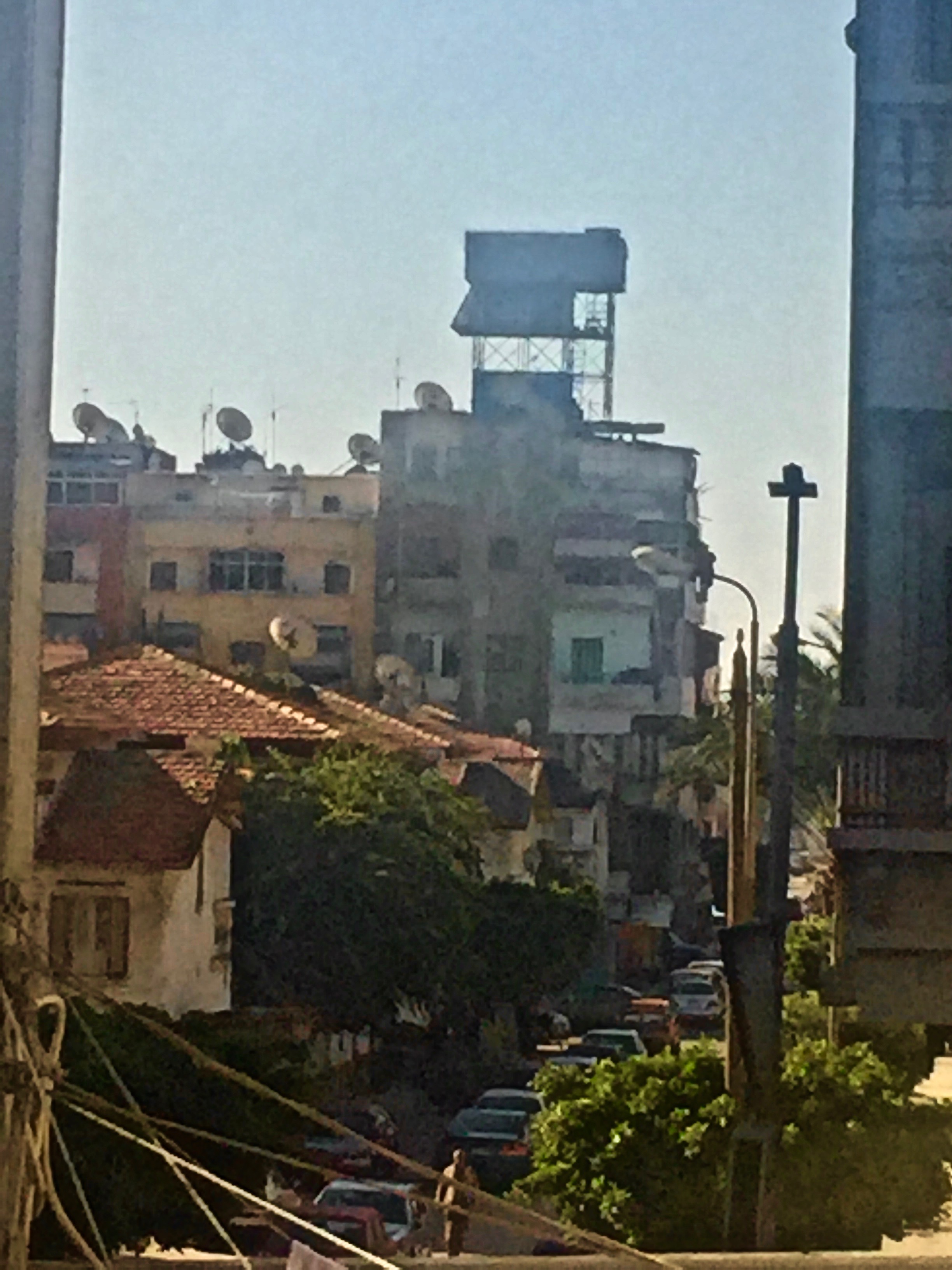
Photos taken by me: The Pyramids, Boats on the Nile River, Temple of Edfu, Colossi of Memnon and the view from my grandparents apartment in Port Said, Egypt.

Design a site like this with WordPress.com
Get started