Peer Review #2

https://adventuresinliterature.art.blog/2019/08/25/blog-2-the-bulletin-debate/

Hi Andrew,

I thoroughly enjoyed reading your critical blog post about the differences in Henry Lawson and Banjo Paterson’s literary works. I agree with you in that it is remarkable how “two people talking about the same place at the same time can come to such radically different representations of that place”. This definitely highlights how although we may be exposed to the same environment, we are all unique human beings and so our interpretations and personal experiences are also unique.  

I thought it was clever how you conducted research on their lives before beginning your analysis. This gave me a better understanding as to why they may have written the way they did and instilled in me a greater appreciation for the diversity of human experiences as well as the powerful effect they can have, which we view through their written work.

I especially liked the construction of your sentence, “One presents it as a haven of civilization amidst the untamed wild, the other a banal urban misery”. The direct contrast really puts into perspective the differences in their views regarding their environment. 

Your post led me to contemplate on both their work and even allowed me to think about who I would side with more. As I believe there are no limitations in literature, everyone is free to interpret experiences differently.

I look forward to reading more of your work, Great Job!

Blog #3

Write a brief account of how you think art and literature interact in a person’s experience.

Life can sometimes be a monotonous cycle of working, studying, eating, sleeping but it is art and literature that can allow individuals to break from this cycle and create new experiences using their imagination and talents. 

When I think of the word ‘art’ my mind is instantly flooded with images of vibrant colours spread out on palettes, paintbrushes, canvases and creative pieces, framed and hung up majestically in art galleries. In reality, art is more than just paintings. It extends to sculptures, statues, pottery, coins, music and more! Art exists everywhere we go, in every experience, taking different forms. Literature, to me, is a form of art, composed by authors who are in a sense, artists, using their talents to create poems, journal entries, and novels that allow individuals to escape into another world, a new experience.

Separately, both art and literature are powerful as their creators have used different outlets to project their emotions, imagination and overall their unique experiences. This is all in an attempt to show the world what the human mind can do when inspired. The beauty about art and literature? There are no limitations. Individuals can interpret what they want from a poem or painting, it is simply dependant on how they think, how they feel. 

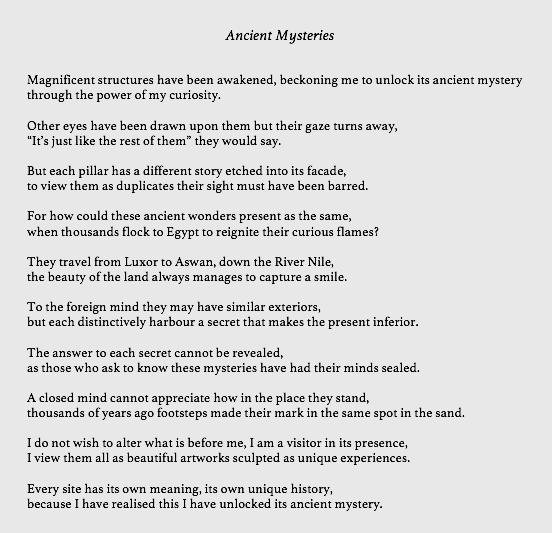
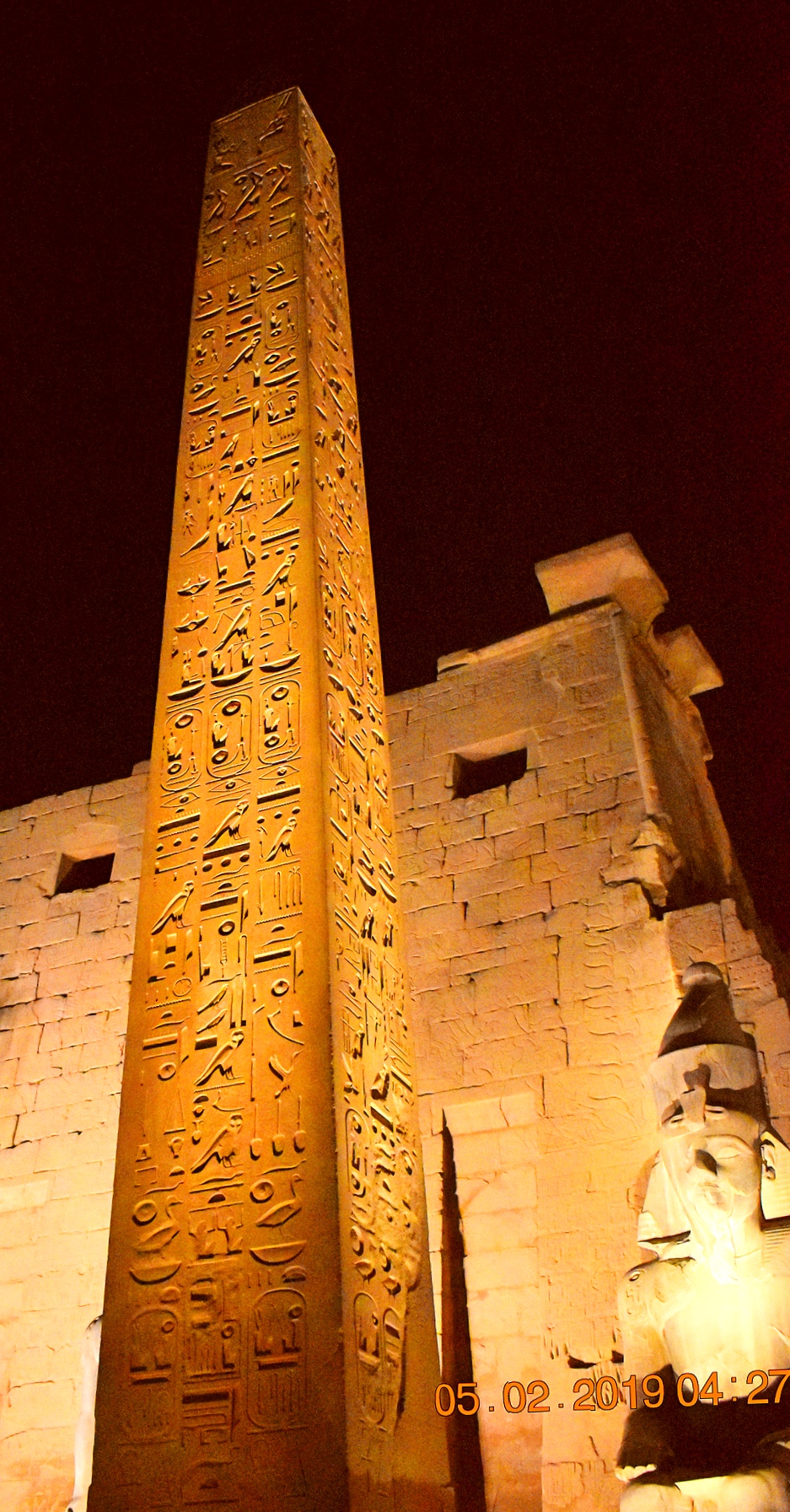
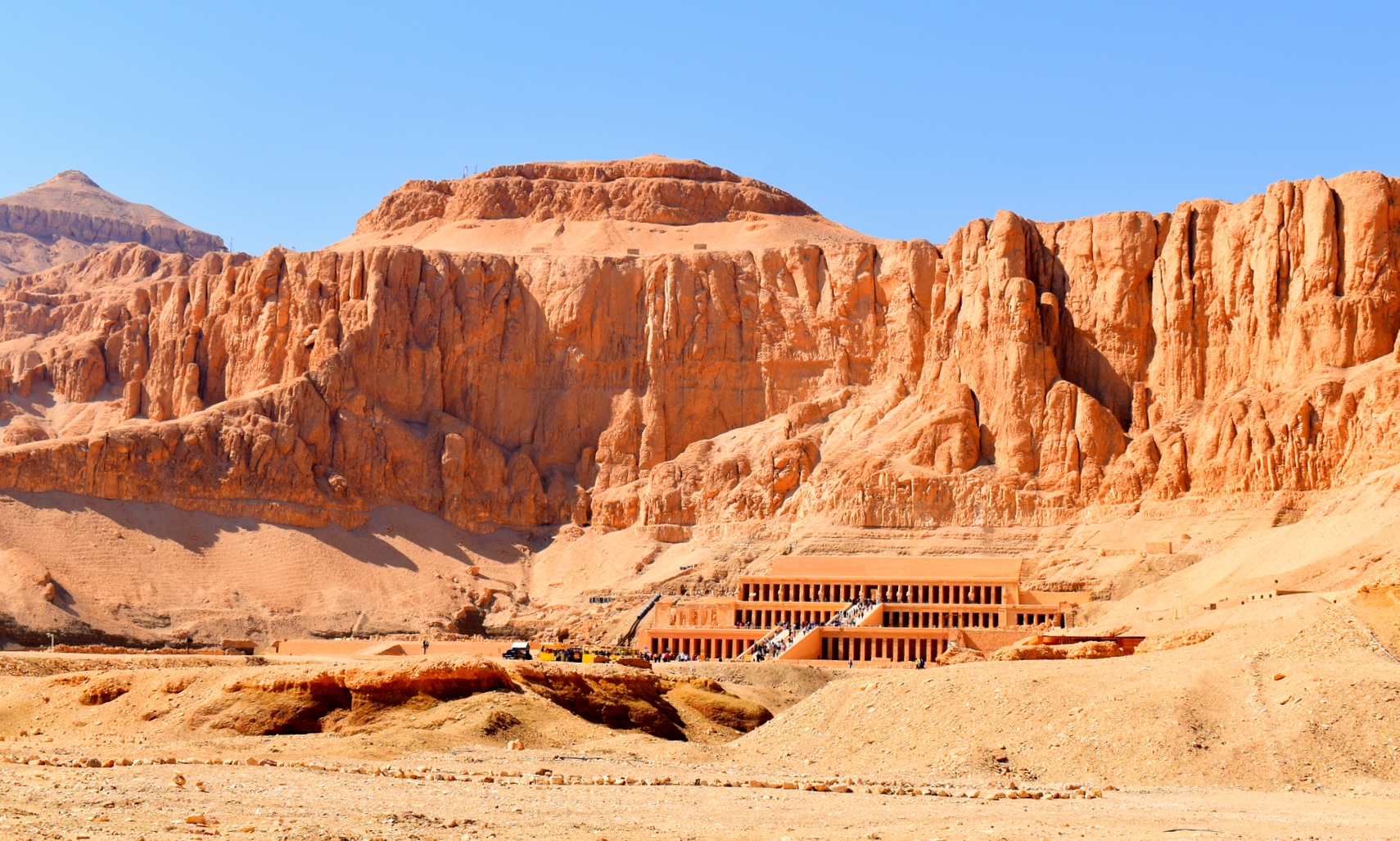
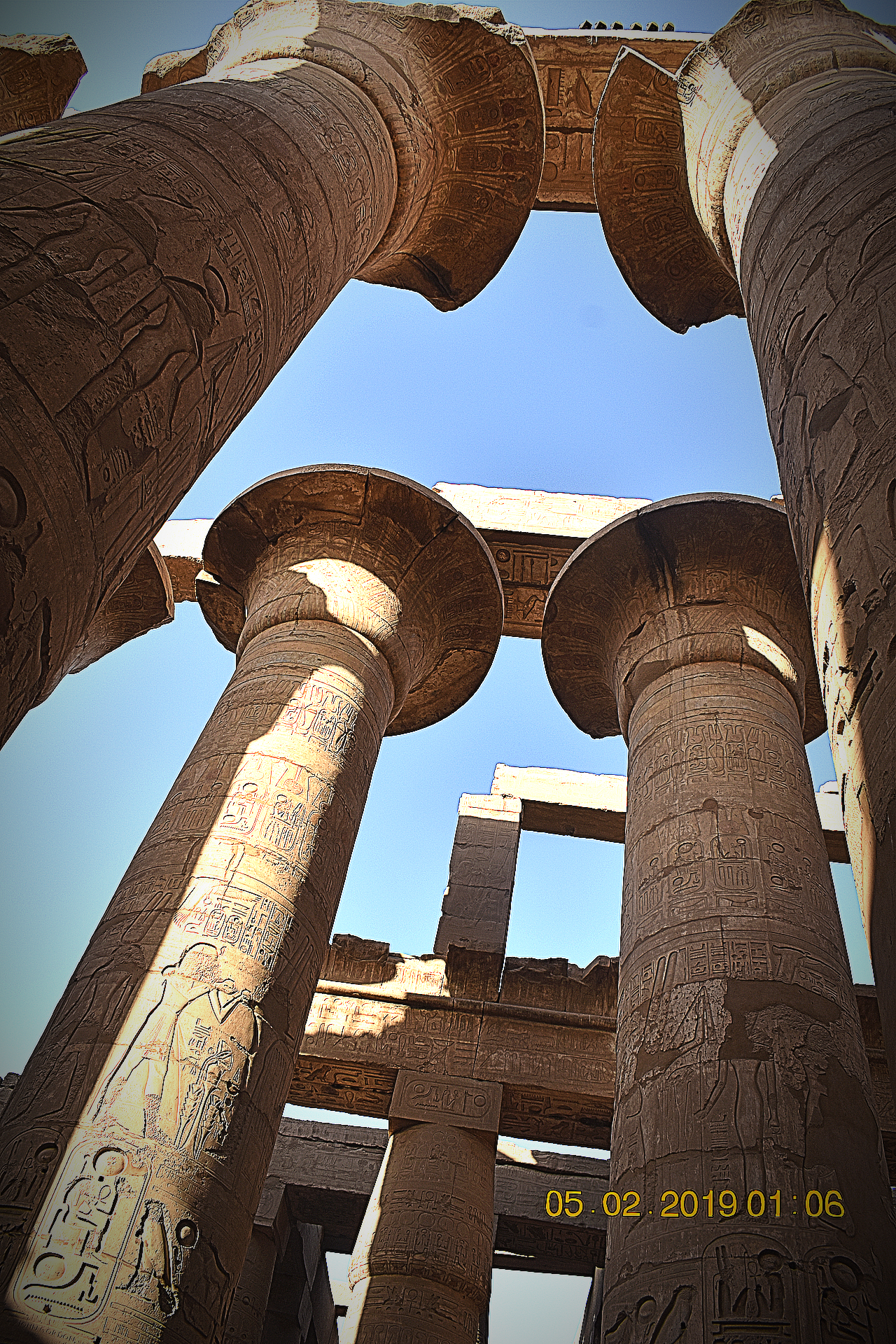
For example, in my first blog entry, I constructed my own poem regarding how every historical site has its own meaning and an individual must have an open mind in order to understand this. Through viewing monuments, statues as well as ancient texts etched into their facade, I was able to view the magnificent collision of both art and literature and in turn compose my own written work that reflects my emotions and beliefs regarding my experience. Individuals reading my poem may have become nostalgic, reminiscing on the time they too visited Egypt and experienced something similar. However, others may have felt differently as they may have never visited the sites or simply do not share my own opinion in regards to how every site is unique. 

“Almost no two experiences are exactly alike”.

– Walter Lippmann

This elucidates how we are all unique human beings entitled to interpret different experiences how we would like to.  Nevertheless, art and literature can interact in all experiences and influence how we think, how we feel and how we act.

Sometimes, we are too caught up in life to realise this beautiful collision is even happening.

Peer Review #1

https://mebsliterature.art.blog/2019/08/19/blog-1-critical-bell-birds-1869-by-henry-kendall/

Hi Mariama,

Your critical blog entry based on your impression of Henry Kendall’s “Bell-birds” was both insightful and memorable. Your use of imagery and descriptive language allowed me to appreciate and admire the Australian landscape and all that is within it.

I thought the images you incorporated complemented your analysis very well. It was interesting how you used them to draw connections to your own personal experiences, in particular, how you showed the continuity of the bellbird through your image of ‘Elizabeth lookout’.

I particularly found it interesting how you referred to the author choosing the bellbird as a metaphor and how you did this through conveying that to recognise the “harmonious charm of Australia” you must listen to the “Bellbirds beautiful songs”. I agree with this as we can only appreciate the beauty of something when we fully immerse ourselves in each experience.

Overall, your blog was very well structured and nicely presented, great job!

Blog #2

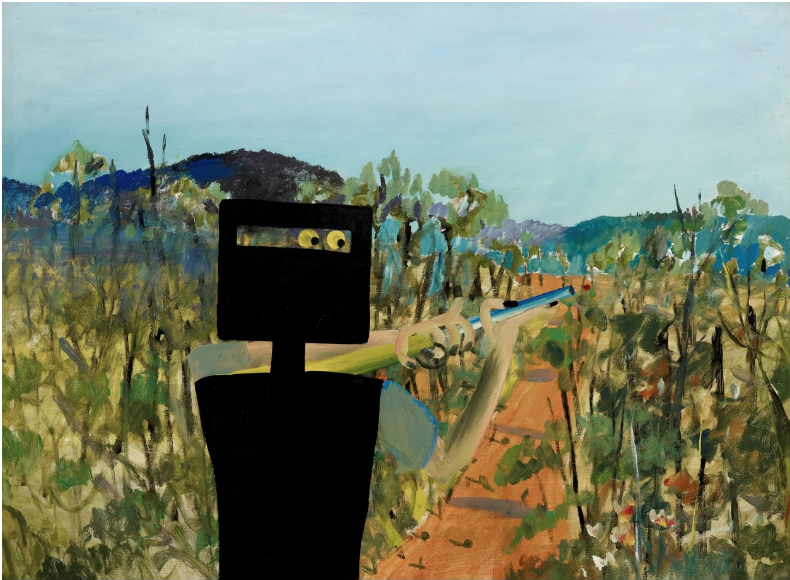
Write a brief description of this painting of Ned Kelly. What do you think it is saying about Ned Kelly’s status in the 20th Century?

“First-class Marksman” by Sidney Nolan (1946) https://www.artgallery.nsw.gov.au/collection/works/62.2010/

Sidney Nolan’s painting, “First-class Marksman” (1946) comprised of Ripolin enamel on hardboard, depicts the infamous outlaw, Ned Kelly, drawing his weapon upon the natural elements within the Australian landscape as he is clothed in solid, black armour. The juxtaposition of Ned Kelly in an almost cartoon like image and the Australian landscape presents as a deliberate artistic expression made by Nolan. The luminous sky acts as a backdrop for the land which appears arid yet features plants and hills that stand up majestically. Two different worlds collide.

The title of the artwork refers to an occurrence in Victoria’s Wombat Ranges, when Kelly and the rest of his gang practiced their shooting. Thus, I believe it presents as a brutal collision of a man characterised by his reputation of violence and the peaceful Australian scenery which acts as the target onto which his bullets are aimed. His eyes though, are fixated upon a particular target which in the painting appears as a red dot. This may reflect a sense of paranoia as he is an outlaw on the run from the police, weapon drawn and ready to act.

I believe Nolan’s painting does not only show one viewpoint but how Ned Kelly’s status in the 20th Century has divided the nation. Some viewed him as a ‘hero’, an ‘Australian Legend’, portraying ‘Australian’ qualities of independence and loyalty through his fight against those who were corrupt. Others, in particular the police and authoritative figures higher up, viewed him as a ‘criminal’ and ‘murderer’ due to the crimes he had committed. As everyone is entitled to their own opinion, I believe that a divided perception of Ned Kelly will always remain but artists will continue to provide their perception through art.

Blog #1

Which poem or story that we have looked at so far made an impression on you? What was the impression it made?  Can you imitate the poem or story and create your own poem or story drawing on your own personal experience?

At times, I have underestimated the power words on a page possess. However, I am quickly reminded when I am captivated by its magical essence. From feelings of sadness and sorrow to feelings of happiness, anger and nostalgia, my emotions have been provoked by its masterful nature. In particular, I was captivated by Judith Wright’s poem, ‘Rockface’ and was also inspired to create a poem of my own.

Judith Wright’s poem, ‘Rockface’ explores the sacredness, beauty and rarity of the land despite the passing of time. Wright is an observer of this work of art, the remnant of the mountain, with no authority to manipulate it and can only contemplate on the rich history and distinct meaning it provides. It is through the poem that I too was able to recognise that an unchangeable beauty exists wherever I tread and how although things may appear similar, everything has its own distinguishable history. The line ‘the remnant of a mountain has its own meaning’ cemented this idea and allowed it to be transcended into my personal life. Although being born in Australia, my Egyptian background has always played a major part in my life. As I travelled in Egypt, I immersed myself in my culture and visited historical sites that as Wright mentioned, have their own meaning, despite others believing that they all appeared the same. Everything is different.

Inspired by Judith Wright’s poem, ‘Rockface’

Photos taken by me

Design a site like this with WordPress.com
Get started