
USING DATA TO INFORM TEACHING Data refers to collecting information concerning students’ engagement in learning activities in order to assess student knowledge/skills and inform future teaching practices. It can be retrieved from a plethora of sources in order to understand each student’s position in the learning cycle and identify a focus for the educators’ professional …
Category Archives: EDFX348 – Engaging Student Learning Through Reflective Practice
HURDLE REFLECTION 3
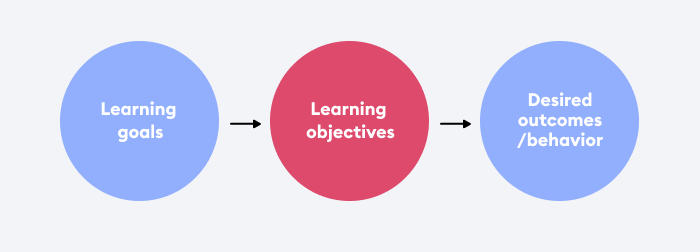
EXPLICIT LEARNING GOALS Clear learning goals provide clarity concerning lesson expectations, thereby ‘demystifying’ education (Cabaniss, 2008). Thus, providing clear, achievable goals are of paramount importance and is characterised by utilising explicit instructions, providing demonstrations to a class through tactile approaches, linking lessons to prior knowledge i.e. asking questions to acknowledge what students completed in the …
HURDLE REFLECTION 2

ASSESSMENT Assessment is multifaceted, able to assess student understanding regarding content examined, the development of critical skills and interpret student data to understand the trajectory of learning and how this can be altered to cater for learners. (Harlen, 2006). Diagnostic assessment ‘as’ and ‘for’ learning determines students’ pre-existing understanding or level of knowledge and thereby …
HURDLE REFLECTION 1

DEEP QUESTIONING AND ENGAGEMENT Surface learning is characterised by learners’ meeting minimum learning requirements through engaging in practice with minimal effort. This therefore disregards analysis and integration, leading to lack of engagement with learning outcomes. Contrastingly, deep approaches enable students to understand content, actively integrate new information in their learning, develop analytical skills, and are …
CRITICAL REFLECTION 4

ICT FOR TEACHING AND LEARNING The use of Information Communication Technology (ICT) in both the teaching and learning cycle has become influential, integrated within pedagogical paradigms to support accessibility and engagement (Churchill et al., 2013). It has maintained the power to guide engagement, catalyse interest in content, develop interpersonal/intrapersonal skills and differentiate activities to suit …
CRITICAL REFLECTION 3

TEACHING STRATEGIES Collaboration contributes to meaningful learning experiences as it involves the division of responsibility amongst students in order to achieve an intended outcome as well as develop valuable interpersonal and intrapersonal skills (Churchill et al., 2013, Victoria State Government, 2021). Group work is a critical pedagogical technique that assists in strengthening the “community of …
CRITICAL REFLECTION 2

CLASSROOM & BEHAVIOUR MANAGEMENT Educators maintain duty of care within educational contexts, that is, to ensure that the learning environment is safe, supportive and fosters all students development (NSW Department of Education, 2021). I strive to ensure I maintain duty of care whilst on placement, especially as students learn through practical involvement, in order to …
CRITICAL REFLECTION 1
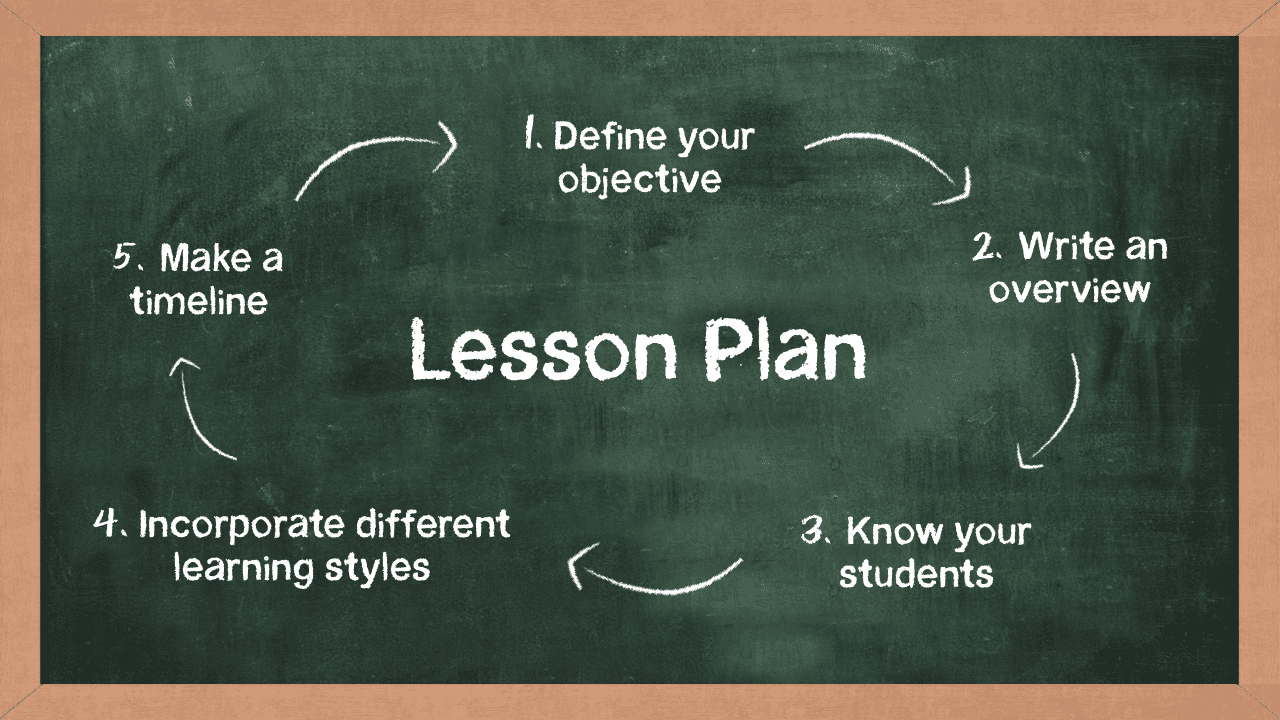
PLANNING FOR TEACHING AND LEARNING According to Cicek (2013), “A successful lesson plan establishes rules and procedures for how to begin, proceed and end the class, reinforcing a sense of structure and consistency and communicating that the classroom is a place for learning helps students know what to expect” (p. 336). A clear introduction, development …
TEACHING PHILOSOPHY

As a pre-service teacher and future educator, my teaching philosophy is underpinned by the central notion that all students are entitled to rich, meaningful learning experiences that fosters their full development (Universal Declaration of Human Rights [UDHR], 1948). I believe that this occurs through upholding a ‘safe space’, characterised by acceptance and tolerance and moreover …
QUALIFICATIONS

My name is Holly Ibrahim and my teaching journey has been filled with insightful experiences, ‘opening my eyes’ to appreciate the multifaceted nature of education and the learners involved. I am at the end of my third year of study, enrolled in a Bachelor of Teaching/Bachelor of Arts (Humanities) at Australian Catholic University, hoping to …
 Holly’s Blog