
ICT FOR TEACHING AND LEARNING The use of Information Communication Technology (ICT) in both the teaching and learning cycle has become influential, integrated within pedagogical paradigms to support accessibility and engagement (Churchill et al., 2013). It has maintained the power to guide engagement, catalyse interest in content, develop interpersonal/intrapersonal skills and differentiate activities to suit …
Category Archives: Critical Reflections
CRITICAL REFLECTION 3

TEACHING STRATEGIES Collaboration contributes to meaningful learning experiences as it involves the division of responsibility amongst students in order to achieve an intended outcome as well as develop valuable interpersonal and intrapersonal skills (Churchill et al., 2013, Victoria State Government, 2021). Group work is a critical pedagogical technique that assists in strengthening the “community of …
CRITICAL REFLECTION 2

CLASSROOM & BEHAVIOUR MANAGEMENT Educators maintain duty of care within educational contexts, that is, to ensure that the learning environment is safe, supportive and fosters all students development (NSW Department of Education, 2021). I strive to ensure I maintain duty of care whilst on placement, especially as students learn through practical involvement, in order to …
CRITICAL REFLECTION 1
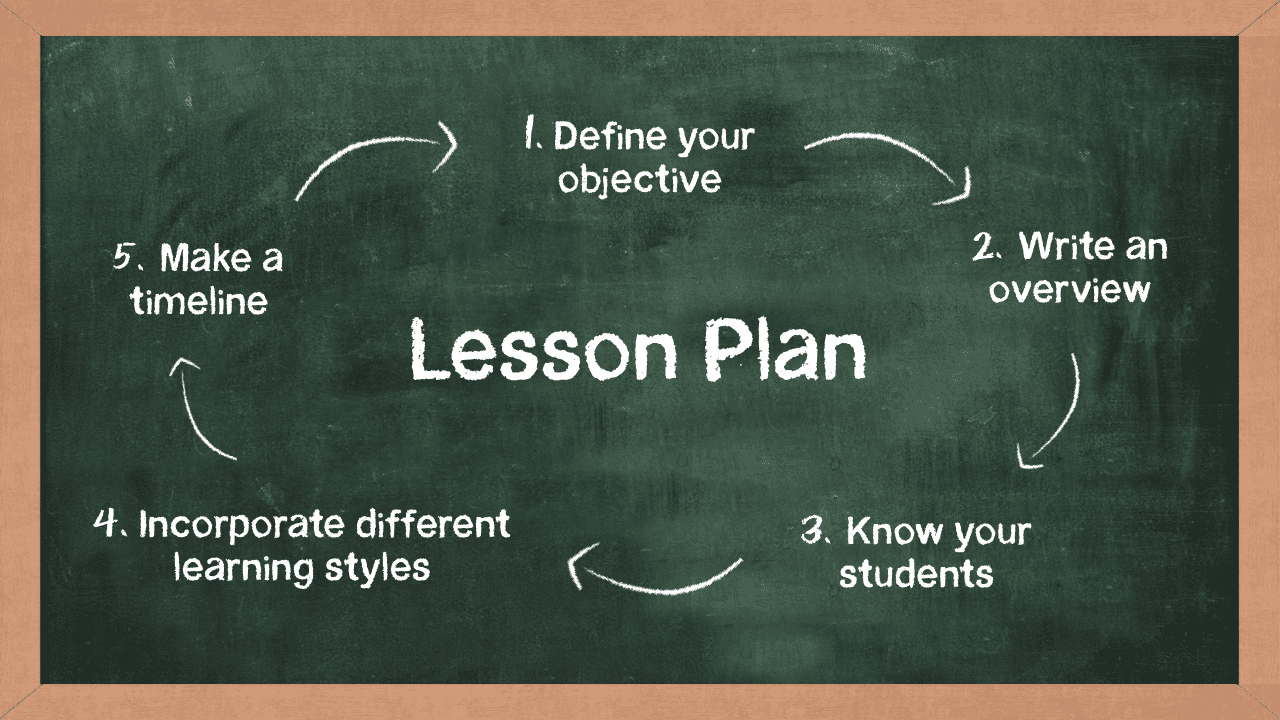
PLANNING FOR TEACHING AND LEARNING According to Cicek (2013), “A successful lesson plan establishes rules and procedures for how to begin, proceed and end the class, reinforcing a sense of structure and consistency and communicating that the classroom is a place for learning helps students know what to expect” (p. 336). A clear introduction, development …
 Holly’s Blog