
USING DATA TO INFORM TEACHING Data refers to collecting information concerning students’ engagement in learning activities in order to assess student knowledge/skills and inform future teaching practices. It can be retrieved from a plethora of sources in order to understand each student’s position in the learning cycle and identify a focus for the educators’ professional …
Category Archives: Hurdle Reflections
HURDLE REFLECTION 3
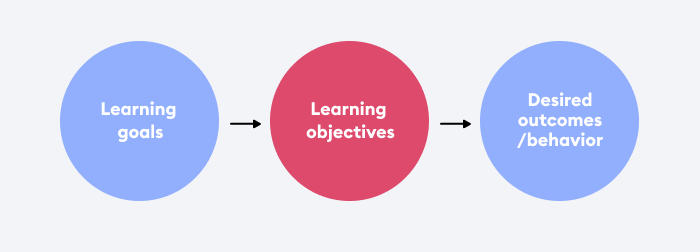
EXPLICIT LEARNING GOALS Clear learning goals provide clarity concerning lesson expectations, thereby ‘demystifying’ education (Cabaniss, 2008). Thus, providing clear, achievable goals are of paramount importance and is characterised by utilising explicit instructions, providing demonstrations to a class through tactile approaches, linking lessons to prior knowledge i.e. asking questions to acknowledge what students completed in the …
HURDLE REFLECTION 2

ASSESSMENT Assessment is multifaceted, able to assess student understanding regarding content examined, the development of critical skills and interpret student data to understand the trajectory of learning and how this can be altered to cater for learners. (Harlen, 2006). Diagnostic assessment ‘as’ and ‘for’ learning determines students’ pre-existing understanding or level of knowledge and thereby …
HURDLE REFLECTION 1

DEEP QUESTIONING AND ENGAGEMENT Surface learning is characterised by learners’ meeting minimum learning requirements through engaging in practice with minimal effort. This therefore disregards analysis and integration, leading to lack of engagement with learning outcomes. Contrastingly, deep approaches enable students to understand content, actively integrate new information in their learning, develop analytical skills, and are …
 Holly’s Blog